

Asherman syndrome, commonly known as intrauterine adhesions, is defined as adhesions occurring inside the uterus. More prevalent in underdeveloped countries, one of the most significant causes of this syndrome is surgical procedures such as curettage performed on the uterus. In some types of procedures, if an infection occurs during the procedure, if an infection develops after the procedure, or if a piece of tissue is left inside, scar tissue forms in the uterus, leading to adhesions. In addition, procedures performed carelessly using old techniques can damage the deeper layers of the endometrium, increasing the risk of adhesions.
Sometimes, Asherman syndrome can develop without surgery, as a result of conditions such as severe pelvic inflammatory disease, tuberculosis, or a parasitic infection called schistosomiasis.
Symptoms of Asherman Syndrome
To diagnose Asherman syndrome, previously unseen symptoms must appear after intrauterine procedures such as abortions. Symptoms include cessation of menstruation, decreased menstrual flow, recurrent miscarriages, and infertility.
Diagnosis and Treatment of Asherman Syndrome
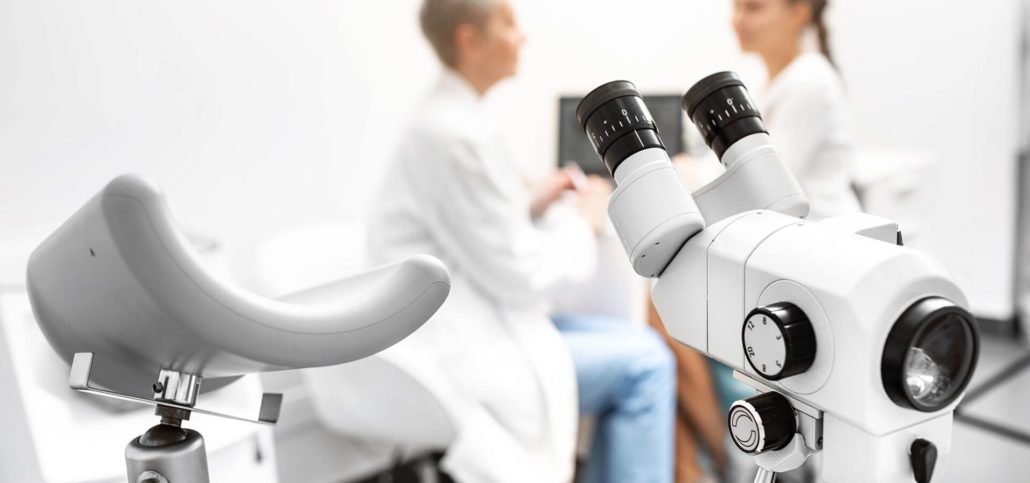
In diagnosing Asherman syndrome, no abnormalities are usually detected during a gynecological examination. Ultrasound alone is also insufficient for diagnosis. While the endometrium generally appears nearly normal on ultrasound, adhesions within the uterus can be observed when fluid is injected into the uterus before ultrasound. With all these factors, a definitive diagnosis of the syndrome is made with hysterosalpingography (HSG, uterine X-ray).
Asherman Syndrome is treated with hysteroscopy. If the syndrome causes infertility or amenorrhea in women, it should definitely be treated. Treatment is surgical. Where possible, adhesions are cut and treated using the hysteroscopic method.
After surgery, the patient may need to use an IUD or balloon for a certain period to prevent adhesions from recurring. Additionally, the patient may be given estrogen hormone to promote the development of the endometrium.





 Turkish
  English