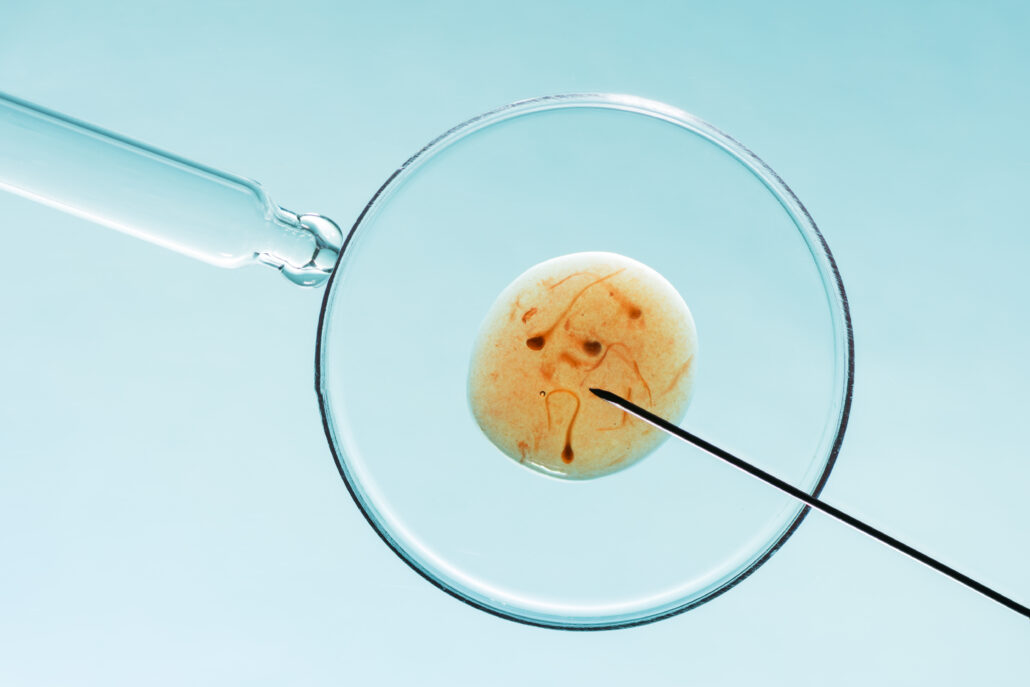


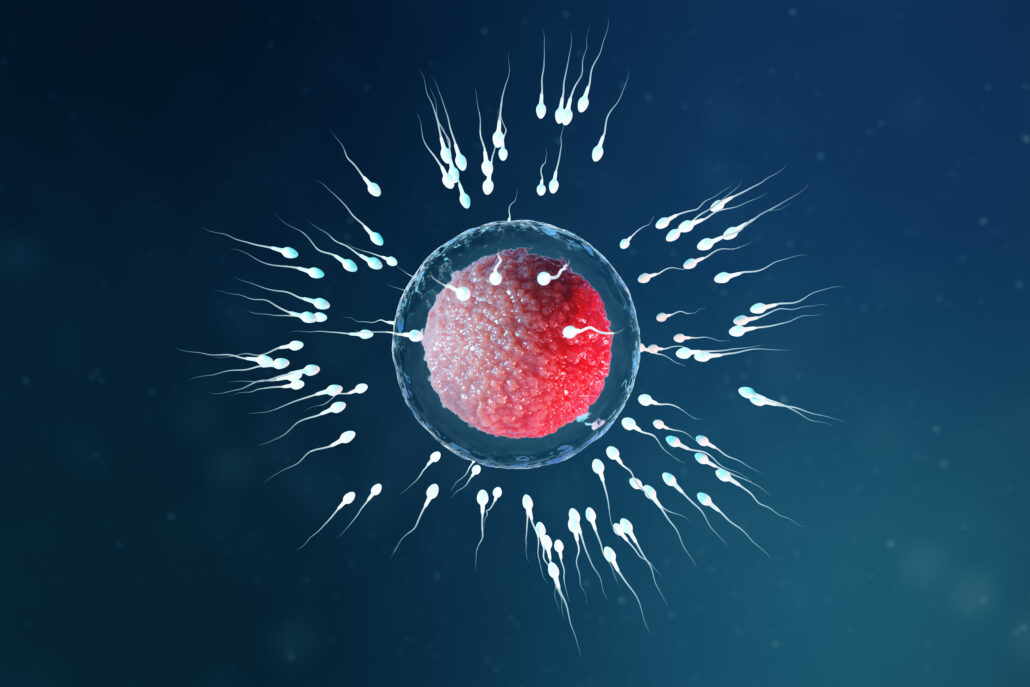
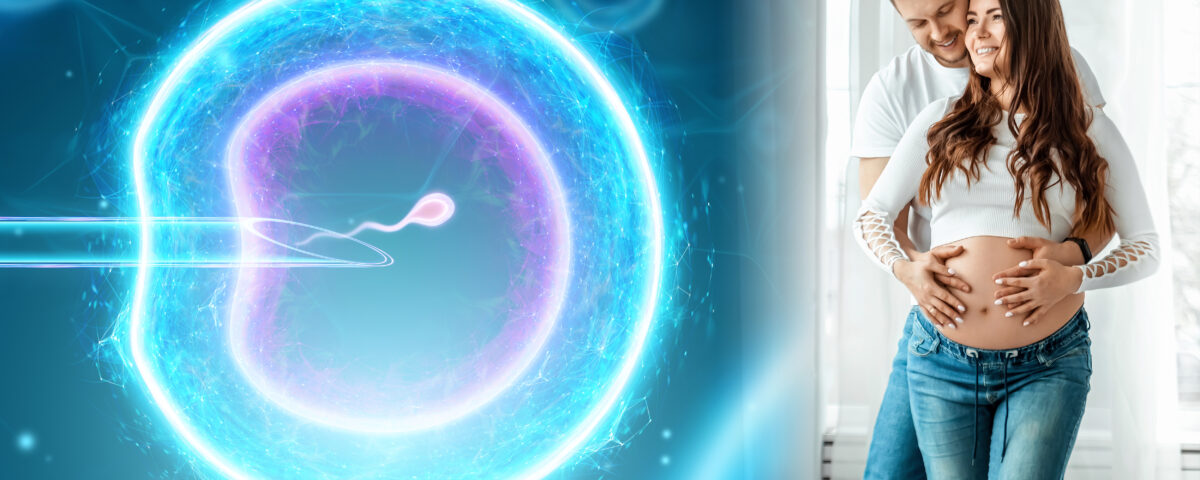
One of the most frequently asked questions by couples undergoing in-vitro fertilization (IVF) treatment is whether a fertilized embryo will develop healthily. This delicate process, which begins in the laboratory, does not proceed in the same way for every embryo. While some embryos show regular and strong development, others may slow down or stop altogether at certain stages. Although this often causes concern, it is a reflection of the biological realities inherent in embryo development. The most decisive elements in this journey of the embryo are at the very beginning of the process: the egg and the sperm.
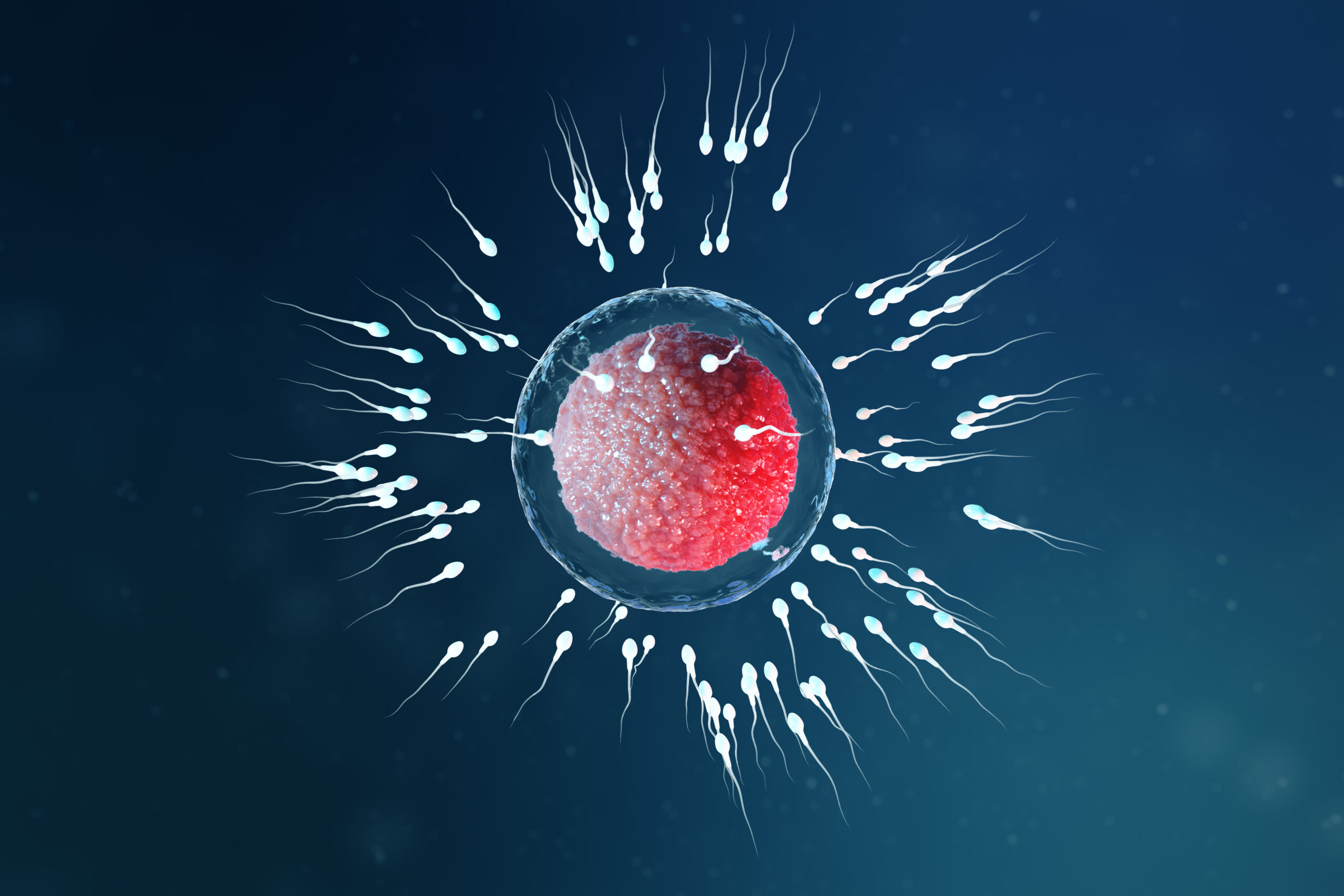
The Decisive Role of Egg and Sperm Quality in Embryo Development
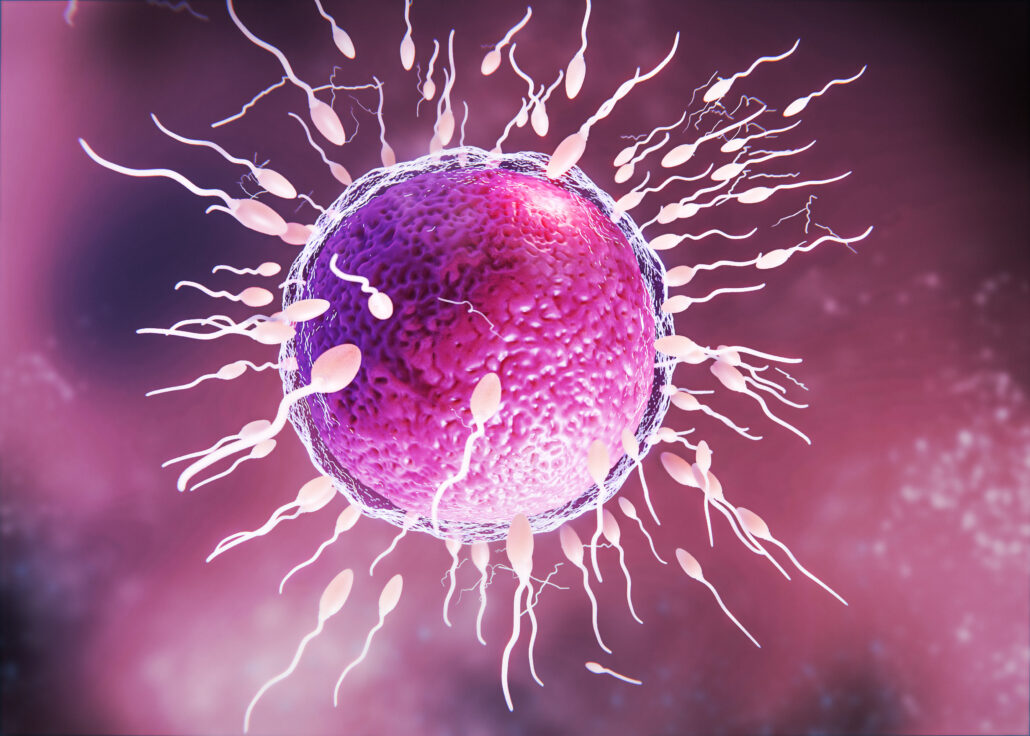
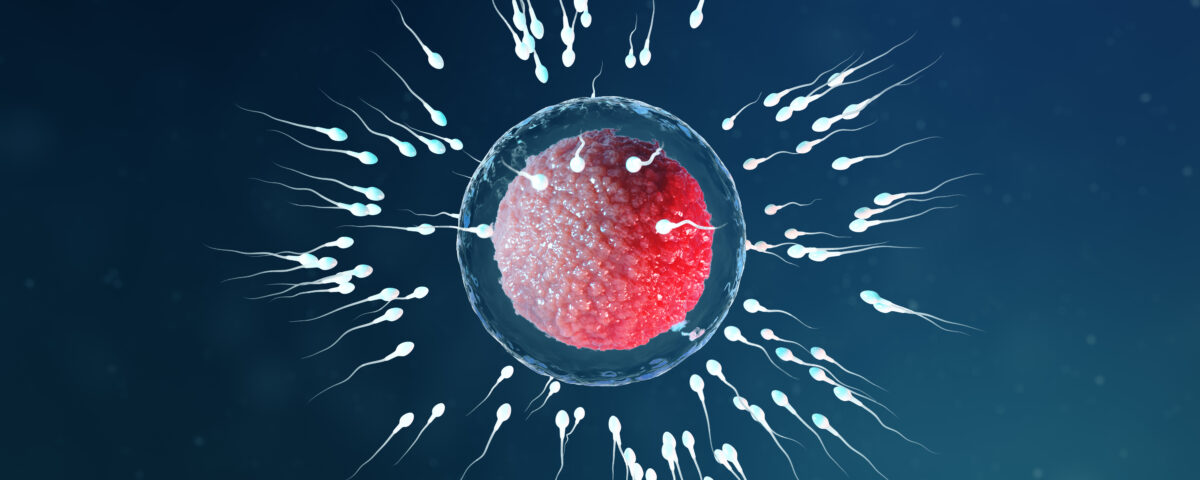
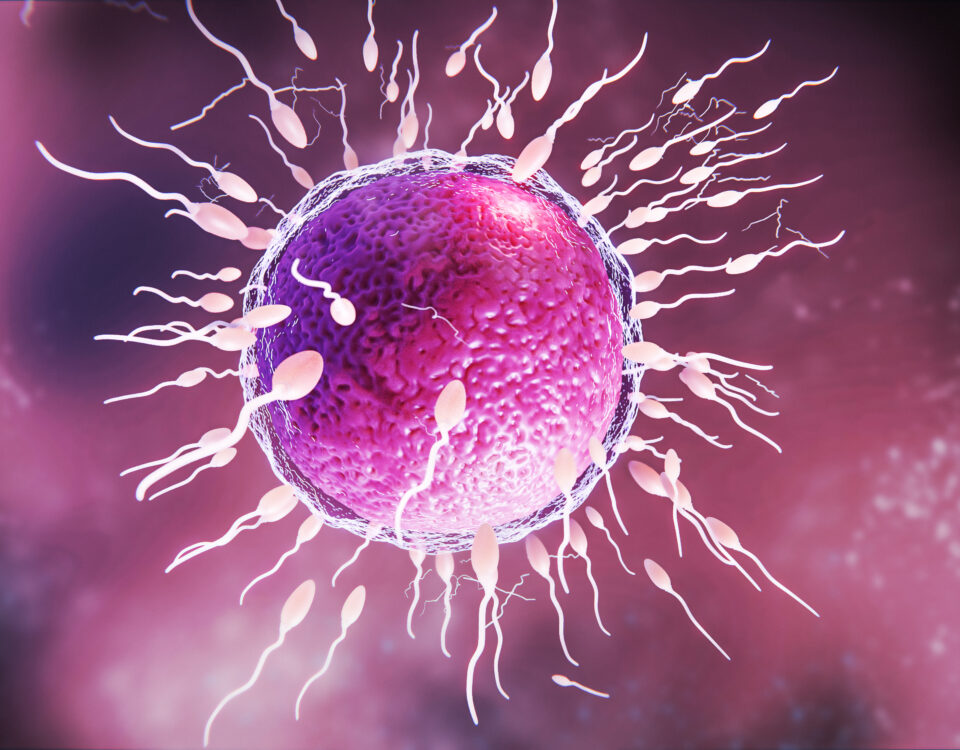
The most critical factors determining whether an embryo will develop healthily are actually the two initial structures: the egg and the sperm. Because embryonic development only becomes sustainable when a high-quality egg and a high-quality sperm come together. The egg provides all the biological infrastructure and cellular energy for the embryo in its early days. The sperm, on the other hand, carries half of the genetic material and also transfers important factors that influence the embryo's cell division pattern.
Egg and sperm quality determine not only whether fertilization occurs, but also the growth rate, cell division pattern, and developmental potential of the embryo after fertilization. Therefore, even if fertilization occurs, not every embryo is expected to have the same developmental capacity. This is one of the most natural and biological aspects of in-vitro fertilization (IVF) treatment.
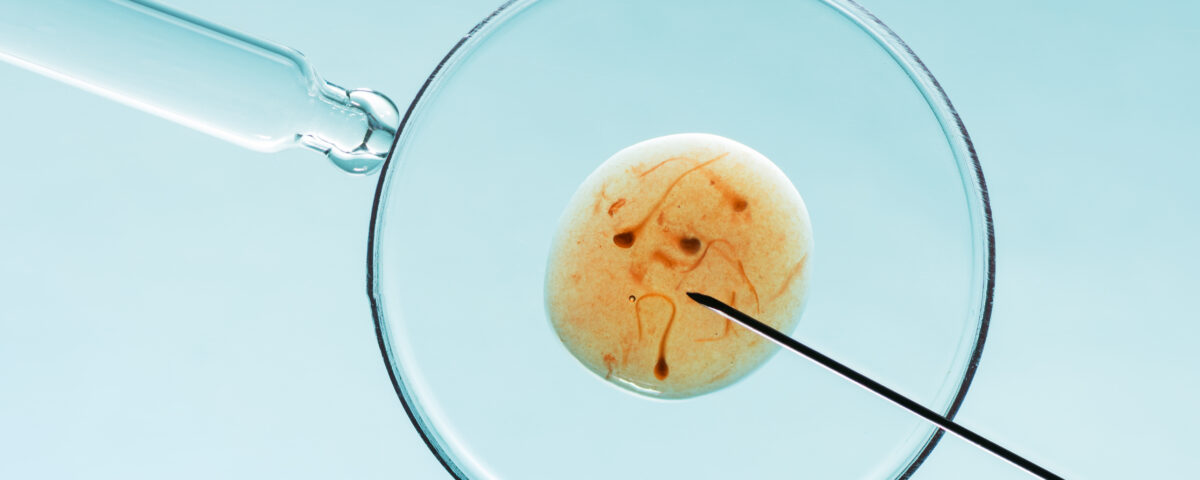
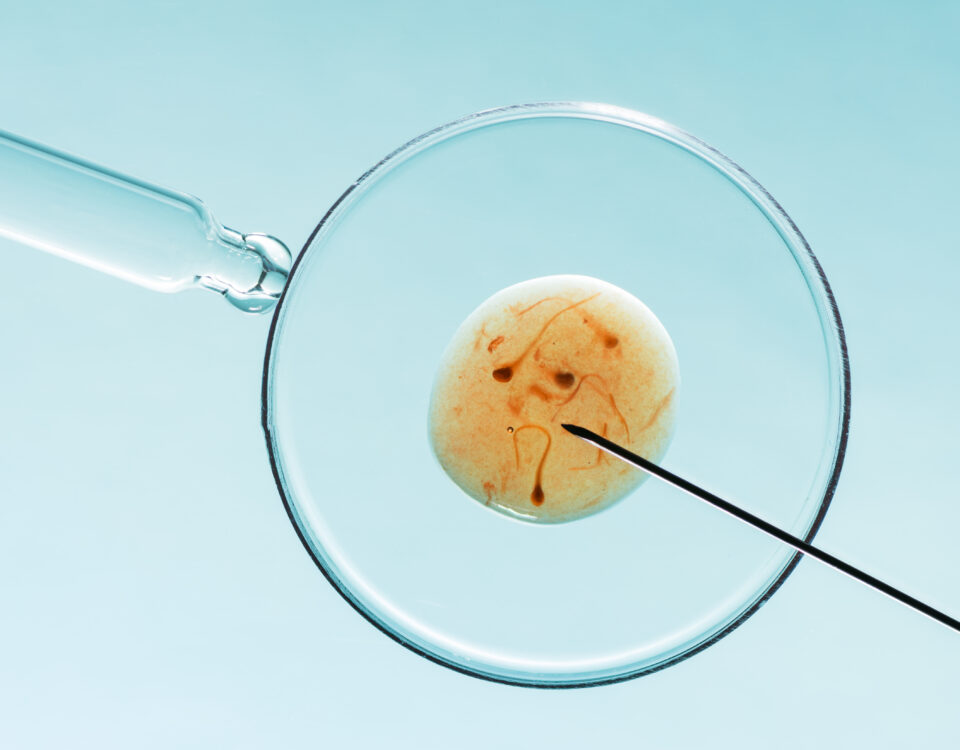
How does embryo development proceed in a laboratory setting?
The process that begins with the fertilization of an embryo in the laboratory does not progress the same for every embryo. While some embryos grow very regularly, others may stop at certain stages or progress more slowly than expected. This difference is entirely related to the biological capacity that the quality of the egg and sperm transfers to the embryo.
Embryo development is evaluated in stages. The increase in cell number, the compatibility of cells with each other, and the expected developmental level of the embryo on specific days are closely monitored by laboratory experts. Any pauses or slowdowns observed during this monitoring process are often due to the limited genetic and biological capacity of the embryo. Therefore, it is considered normal for not every fertilized embryo to reach the final stage.
Natural Selection Process and Biological Facts
The fact that not every embryo completes its development does not mean the treatment has failed. On the contrary, it indicates that the embryos have undergone a natural biological selection process. Human reproduction is inherently a highly selective process, and this is true in both natural pregnancies and IVF treatment.
This natural selection process results in embryos that lack sufficient genetic or cellular capacity being unable to progress. Thus, embryos with a low potential for implantation and the creation of a healthy pregnancy are eliminated. This perspective helps to evaluate the process in a more realistic and scientific way.
The Importance of Embryo Selection and Treatment Strategy
At this point, the approach of the clinical and laboratory teams is of great importance. We take two fundamental steps at this stage:
- We select the embryos that are most likely to develop.
- We will replan our transfer strategy if necessary.
Embryo selection is based on cell division rate, morphological structure, developmental stage, and laboratory evaluations. These evaluations help predict the embryo's potential for implantation in the uterus. The goal is to identify the embryo with the highest implantation potential and direct treatment accordingly.
In some cases, it may be necessary to wait for the embryo to reach a more advanced developmental stage, or the transfer time may be rescheduled. This flexibility allows the treatment to be tailored to the individual and increases the chances of success.
The Success of IVF Does Not Depend Solely on Fertilization
In summary, the success of IVF depends not only on fertilization but also on the embryo's biological capacity to develop healthily. The better the quality of the egg and sperm, the higher the chance of embryo development. Therefore, when evaluating the treatment process, it is necessary to look not only at fertilization rates but also at the overall development of the embryo.
This approach helps couples understand the process more accurately and interpret the developments at each stage in a healthier way. Each embryo carries its own unique biological potential, and the limits of this potential are a natural part of the process.
Frequently Asked Questions
How does egg and sperm quality affect embryo development?
Egg and sperm form the entire genetic and cellular infrastructure of the embryo. The higher their quality, the greater the probability that the embryo will undergo regular division and development.
Does a high-quality embryo always result in pregnancy?
A high-quality embryo is one with a high potential for implantation in the uterus; however, pregnancy occurs as a result of the interaction of many factors. Therefore, a guaranteed outcome cannot be given.
Is it normal for some embryos to stop developing?
Yes, this is considered biologically normal. Embryos undergo a natural selection process, and not all of them reach the final stage.
How is embryo development monitored in the laboratory?
Embryos are regularly evaluated in terms of cell number, division pattern, and morphological characteristics. This monitoring helps to understand the developmental potential of the embryo.
Can an embryo with slow embryonic development be transferred?
This depends on the overall assessment of the embryo. Developmental rate alone is not a sufficient criterion; all laboratory findings are considered together.
Does the natural elimination process mean the treatment has failed?
No. This process is a natural mechanism that depends on the biological capacity of the embryos and does not mean that the treatment has failed.
What criteria are used for embryo selection?
Cell division rate, morphological structure, developmental days, and laboratory assessments are the key criteria.
Why might the transfer strategy be changed?
In some cases, rescheduling the transfer time according to the embryo's developmental stage can increase the chances of success.
If egg quality is poor, will the embryo necessarily be affected?
Egg quality can influence embryo development; however, each embryo carries a different biological potential, and results can vary from person to person.
Is the success of IVF solely dependent on the laboratory?
No. While the laboratory process is important, the embryo's biological capacity and the uterine environment also play a role in success.

 Turkish
  English