

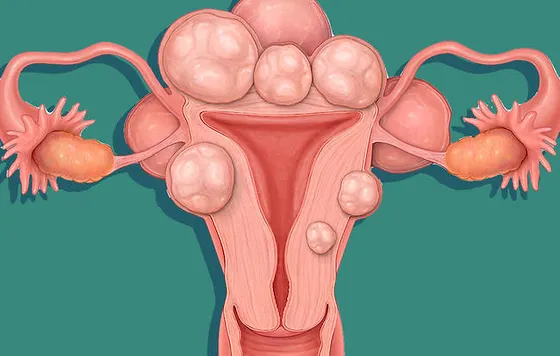
Uterine fibroids are one of the most common gynecological disorders. Fibroids are also known as tumors, growths, or uterine fibroids. They can range in size from a few millimeters to 20-30 centimeters, and can be single or numerous. (See: Fibroids in Pregnancy) (A link to a more general article about fibroids will be provided on the site.)
Uterine fibroids, which are mostly harmless and can be detected during routine gynecological examinations, can have negative effects depending on their location. For example, some fibroids increase menstrual bleeding, while others can obstruct the birth canal, making vaginal delivery difficult. Similarly, very large fibroids can negatively affect the baby's development. So, what are the signs that indicate the presence of fibroids in the uterus? Let's examine them together:
Signs that May Indicate You Have Fibroids
1. Changes in Menstrual Cycle
A significant increase in the amount and duration of menstrual bleeding may indicate a myoma. Bleeding that is progressively longer and increases in volume, negatively impacting social life, accompanied by clots, and bleeding or spotting outside of menstruation, can all be considered signs of a myoma.
2. Groin Pain
Fibroids can cause various types of pain depending on their location and size. Pain, especially during ovulation and menstruation, can be considered a symptom of fibroids. If fibroids grow very rapidly and blood flow is insufficient to keep up with this growth rate, some fibroid cells may die. This can also lead to pain in the groin area. The pain is usually felt in the center of the groin, not on the right or left side.
3. Frequent Urination
If you feel the need to urinate more frequently than usual, this could also indicate a myoma. This feeling is often accompanied by a feeling of fullness in the lower abdomen. This is due to the pressure exerted by myomas when they are close to the bladder. Sometimes, very large myomas can press on the last part of the intestine, leading to constipation.
4. Palpable Swelling and Hardness in the Abdomen
This symptom, which is generally indicative of large or multiple fibroids, is a palpable swelling and hardness on the pubic bone at the front of the vagina. Sometimes this swelling can be mistaken for weight gain, but if the swelling and hardness do not decrease despite weight loss, it is best to consult a doctor without panicking.
If you observe one or more of the above symptoms, I recommend that you see a doctor immediately. Through a gynecological examination and ultrasound, your doctor will make the appropriate diagnosis and guide you towards the best possible treatment.


 Turkish
  English