

Osteoporosis, derived from the Greek words osteon (bone) and poros (small hole), is a common metabolic bone disease. Typically beginning after age 45 and increasing in frequency with age, osteoporosis is also frequently seen during menopause due to decreased estrogen levels. In osteoporosis, normally healthy, dense, and strong bones thin and lose density, becoming brittle. If necessary precautions are not taken, bones continue to weaken and thin, increasing the risk of fractures.
Osteoporosis Risk Factors
- Insufficient calcium intake (during menopause or childhood)
- Insufficient intake of various vitamins and minerals (such as magnesium, zinc, copper, fluoride, vitamins C, K, and A)
- Excessive consumption of substances such as protein, sodium, caffeine, alcohol, and cigarettes.
- sedentary lifestyle
- The use of certain medications, such as steroids (commonly used to treat asthma and arthritis) and thyroid hormone (in very high doses).
- Early menopause (before age 45)
- Genetic factors
Diagnosis of Osteoporosis
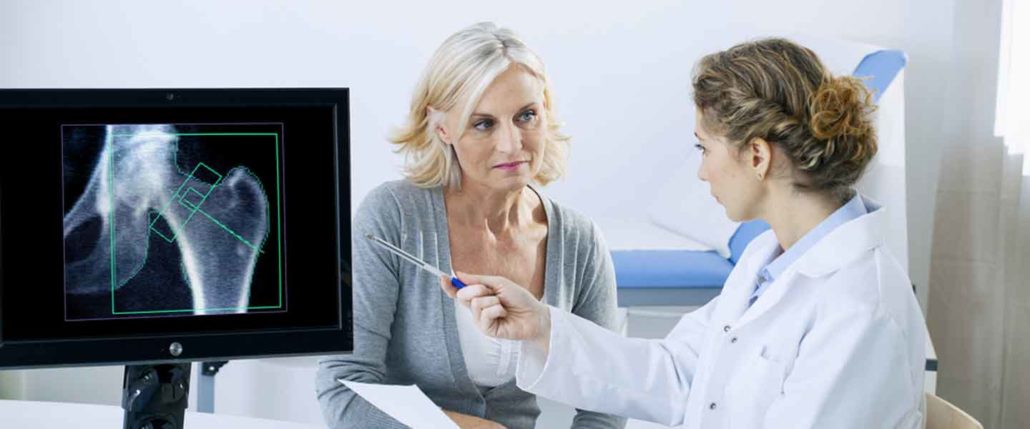
Osteoporosis, defined as a tendency for bone fractures due to low bone density and deterioration in bone structure, is diagnosed through quantitative measurement of bone mineral density. Bone density measurement, an effortless and economical method for the patient, provides accurate and precise results regarding bone mass. The main purpose of the measurement is to determine the amount of mineral loss within the bone.
Bone density measurement is recommended annually for women at high risk of osteoporosis during menopause, and twice a year for women at low risk. However, the frequency of the procedure may vary depending on the course of the disease and the treatment method applied to the patient.
Osteoporosis Treatment and Prevention Methods
In osteoporosis treatment, patients are given medications that reduce bone breakdown (calcium, bisphosphonates, raloxifene, calcitonin, and hormone replacement therapy) and those that increase bone formation (fluoride, parathyroid hormone, vitamin D). However, paying attention to the patient's diet, consuming foods rich in calcium and vitamin D, getting enough sunlight, and engaging in plenty of physical activity and exercise are extremely important both for preventing the disease and reducing its severity.



 Turkish
  English