


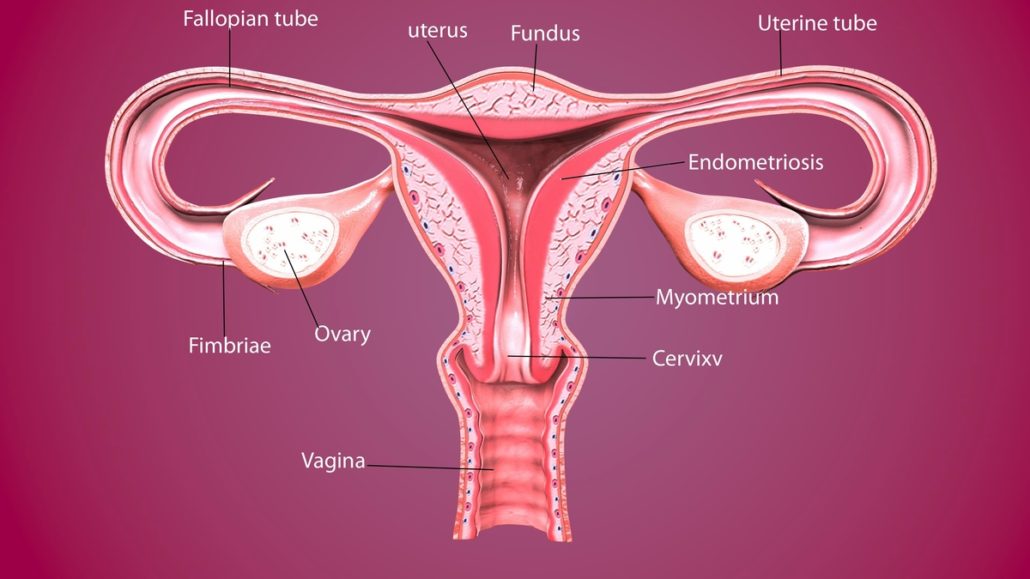
Cervical cancer, also known as cervical cervix cancer, is one of the cancer types that has been rapidly spreading among women in recent years. This type of cancer, spread by the sexually transmitted HPV virus, is primarily caused by smoking. In this article, I will provide information about the causes of cervical cancer and the importance of the PAP smear test in diagnosing it.
Cervical Cancer (Cancer of the Cervix)
The exact cause of cervical cancer is not fully known. However, even without a definitive cause, several factors increase the risk of developing cancer. The most significant factor in cancer development is the HPV virus. In cases of cervical cancer caused by this virus, a woman dies every two minutes due to the failure to perform necessary screening tests and check-ups in a timely manner. Besides sexually transmitted HPV, smoking is also a significant risk factor for cervical cancer, as it is for other types of cancer.
The Importance of PAP Smear Test in Cancer Diagnosis
Cervical cancer can be detected early through regular screenings and examinations. These examinations allow cancer to be controlled and treated when detected early. The most common screening method for diagnosing cervical cancer is the PAP smear test. Every woman with an active sexual life should have this test done regularly once a year. This test detects whether cancerous lesions are present in the cervix, including abnormal structures that are precursors to cancer but have not yet developed. In this way, the patient can recover through early diagnosis and treatment.
A Pap smear test is a test that every woman over the age of 21 who is sexually active should have at least once a year. If sexual activity began before the age of 21, it is important to have a smear test within the first three years from that age. Smear testing should continue during menopause. However, if a person has at least three normal smear test results after the age of 65, testing can be discontinued. Furthermore, if a suspicious finding is detected in a smear test result, the test may be repeated more frequently than once a year, or further investigations may be performed.






 Turkish
  English