

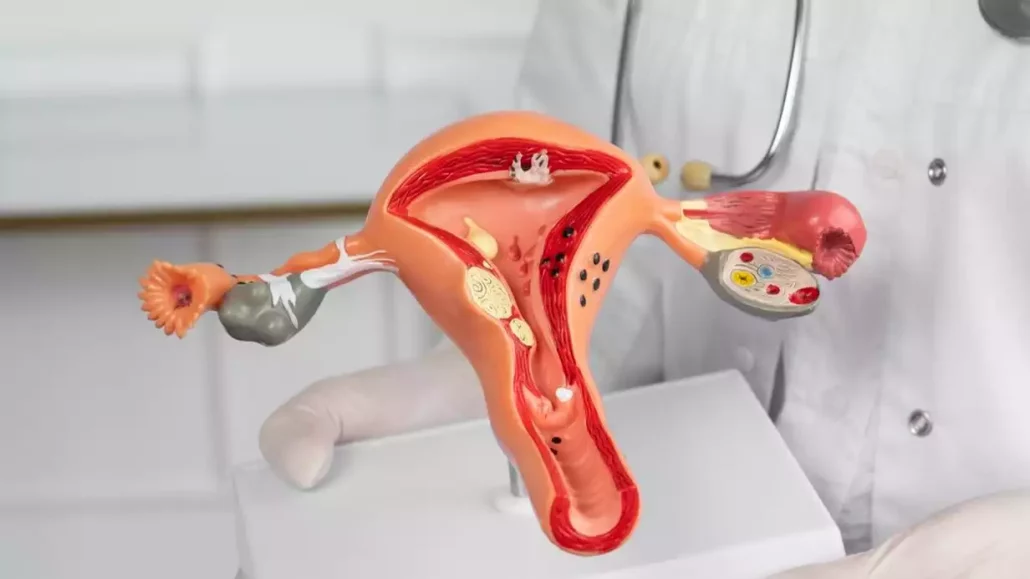
Uterine wall thickening is defined as a problem where the inner lining of the uterus, called the endometrium, thickens more than normal. The uterine wall (endometrium) is a tissue that is shed from the body every month during menstruation. The thickening, which occurs due to the excessive growth of cells in the uterine wall, is caused by an imbalance in estrogen and progesterone hormones secreted from the ovaries during the menstrual cycle.
How does uterine wall thickening occur?
The endometrium tissue functions in response to estrogen and progesterone hormones secreted by the ovaries during a woman's monthly menstrual cycle. After estrogen causes thickening of the uterine lining, progesterone slows down or stops this thickening in the endometrium. Following a period of decreased hormone levels, menstrual bleeding occurs, and the uterine lining, or endometrium tissue, is expelled from the body. This process occurs regularly every month in all healthy women.
However, in some ovulation problems, the progesterone hormone cannot be secreted properly. This leads to the uncontrolled secretion of estrogen hormone and negatively affects the uterine lining. Since the endometrium is constantly exposed to estrogen hormone, thickening of the uterine lining becomes inevitable, and the uterine lining becomes thicker than normal.
This condition, which can lead to cancer if left untreated, is a common problem among women and should definitely be taken seriously, diagnosed, and treated.
Symptoms of Uterine Wall Thickening
- Menstrual periods that are heavier than normal
- Menstrual periods lasting longer than normal
- The interval between two periods is less than 21 days.
- Brown spots appearing between the two
- Bleeding after menopause
Diagnosis and Treatment of Thickening of the Uterine Wall
Thickening of the uterine lining can be diagnosed with ultrasound, but a pathological examination of a tissue sample taken from the uterus is necessary to make a definitive diagnosis. After a diagnosis of uterine lining thickening, the treatment will vary depending on the extent of the thickening, the patient's age, and whether the patient wishes to have children in the future. Sometimes, in cases of simple thickening, the patient is treated with medication and monitored. At the end of this process, a second biopsy is needed to determine the success of the treatment. If the biopsy results indicate a possibility of the uterine lining thickening turning cancerous, and the patient does not plan to have children in the future, the uterus may be surgically removed entirely.

 Turkish
  English