

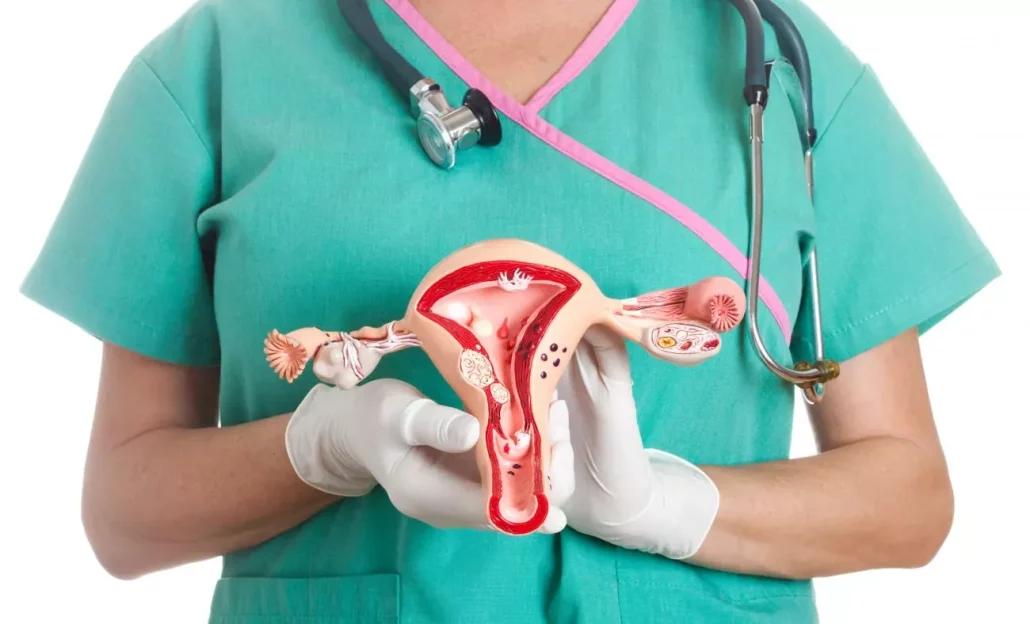
Cervical erosion, commonly known as a cervical ulcer, is one of the most frequently encountered gynecological problems. It occurs when squamous cells, the outer surface cells of the cervix, are partially or completely absent. These cells are replaced by columnar cells from the cervical canal (endocervical canal). Because the canal tissue has a red and tender appearance, it is described as a wound or erosion during examination. However, in reality, there is no actual wound or tissue loss.
Cervicitis, defined as inflammation of the cervical tissue, is usually caused by an infection. Trauma from the penis during sexual intercourse or the use of tampons, etc., can also be risk factors. Vaginal infections, chemicals in creams and condoms, and spermicidal drugs can also cause lesions in the cervix. Furthermore, pregnancy and the use of birth control pills can also cause the endocervical tissue to turn outwards.
Cervical Ulcer Symptoms
The most typical symptom of a cervical lesion is discharge that occurs after menstruation ends. This discharge is usually odorless, clear, and white. However, if an infection is present, the discharge may be purulent and foul-smelling. Besides discharge, abnormal vaginal bleeding is also a sign of a cervical lesion. Because the tissue in this area is more sensitive and fragile, slight bleeding or spotting may occur during and after sexual intercourse. Occasional bleeding and spotting, independent of sexual intercourse, may also be observed in the presence of a cervical lesion.
Diagnosis and Treatment of Cervical Ulcers
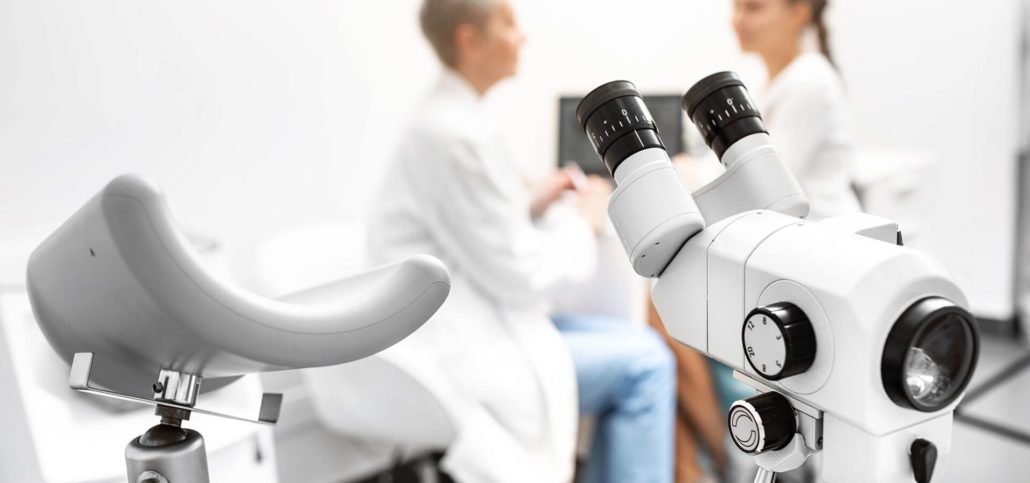
The condition is diagnosed during a gynecological examination by observing the cervix with a speculum and taking a smear. To make a definitive diagnosis in the area that may appear as a lesion during the examination, some additional tests such as smear, cervical biopsy, and colposcopy may be performed.
Cervical lesions are generally a condition that heals spontaneously. Identifying the cause, such as infection, trauma, or chemical substances, facilitates the treatment process. If the condition does not resolve spontaneously, has no underlying cause, and the patient experiences heavy discharge and bleeding, treatment methods such as cauterization or cryotherapy may also be applied.
For women with cervical lesions, not neglecting Pap smear tests is important for cervical cancer screening. We want to know there are no abnormalities in the Pap smear test before intervening in any cervical lesions. Therefore, not neglecting your annual gynecological checkups is crucial for your health.




 Turkish
  English