


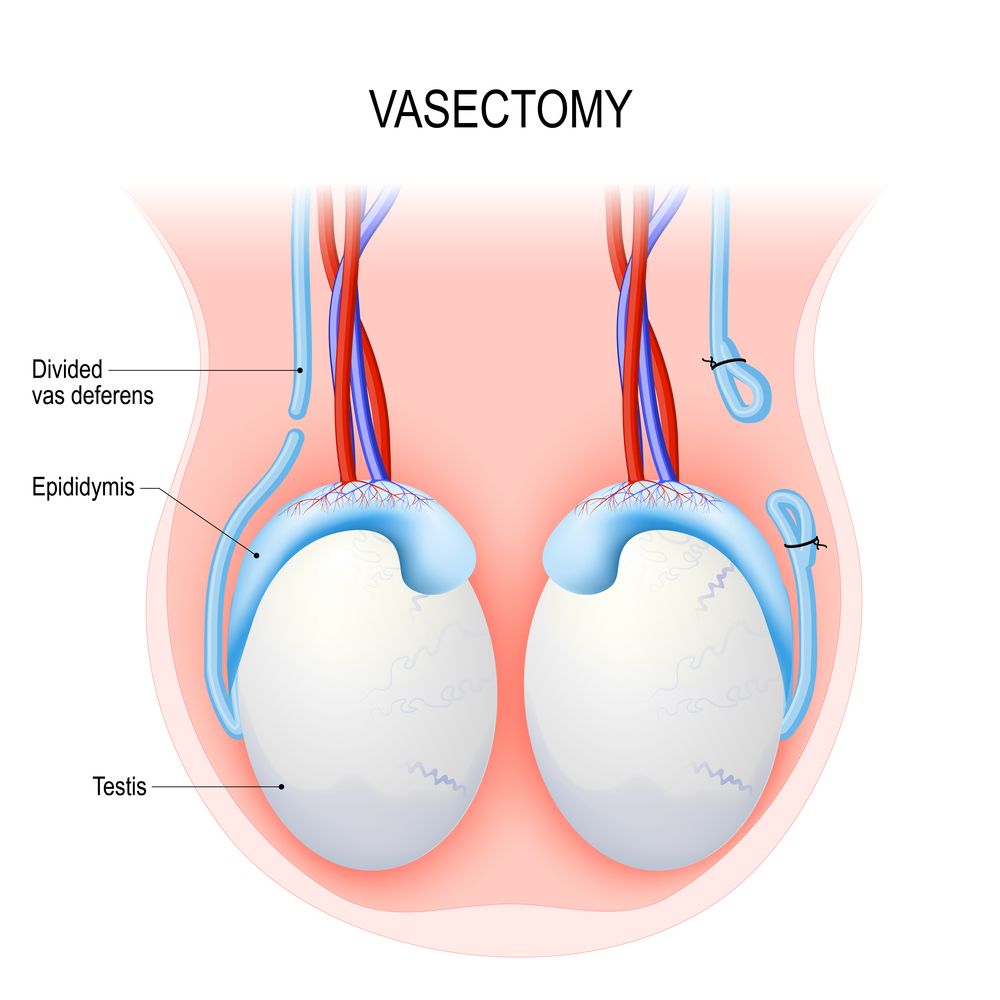
Vasectomy (surgical removal of the sperm ducts), a preferred method of contraception due to its permanent effectiveness, involves tying off the ducts on both sides of the penis to prevent sperm from mixing with semen. As a male contraceptive method, vasectomy can also be defined as the surgical and permanent disruption of the passage of sperm cells from the testicles to their storage areas.
How is a vasectomy performed?
Vasectomy, performed under local anesthesia (numbing the affected area), involves cutting and tying off the vas deferens through a small incision. During the operation... A small incision is made in the scrotum, the sac containing the testicles, and the sperm ducts are brought out through this incision. The extracted ducts are tied together, a small incision is made in each duct, and then the ducts are destroyed by cauterization using a device called a cauterizer. This destruction process prevents sperm from passing through these ducts again. After all these procedures, dissolving stitches are placed in the skin, and the operation is complete.
Since the operation is performed under local anesthesia, the patient does not feel any pain or discomfort during the procedure. It does not require hospitalization or prolonged rest afterward. The patient can return to their daily life after a short period of rest.
Vasectomy, a procedure that prevents sperm produced in the testicles from being transferred to their storage location, prevents sperm from entering the woman's uterus during sexual intercourse. Sperm remaining in the testicles are eventually destroyed by the body itself.
Advantages and Disadvantages of Vasectomy
Vasectomy is a permanent and lifelong method of birth control. Ideal for couples who do not plan to have children, vasectomy helps ensure enjoyable sexual intercourse without the fear of pregnancy. Furthermore, since the vas deferens are ligated during the vasectomy procedure, there is no change in the quantity or appearance of semen. The man does not experience any changes in sperm or hormone production, and there is no change in sexual desire or activity.
The disadvantage of vasectomy is that it is a permanent procedure. If the couple wants to have children in the future, it is possible to reopen the ducts with another operation, but this may not always be successful. Even if the ducts are reopened, the sperm count will never return to its initial level, making the chances of pregnancy very low.




 Turkish
  English