

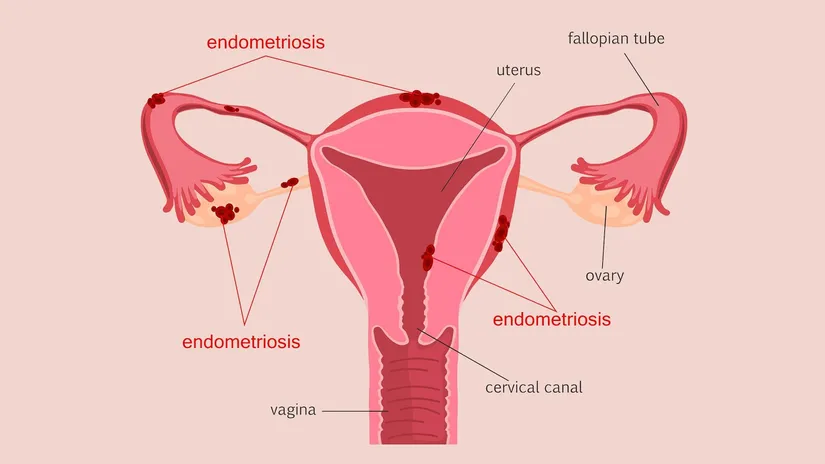
Endometriosis, also known as chocolate cyst in the community, is a condition in which the tissue lining the uterus, called the endometrium, implants in other tissues. A chronic disease, endometriosis develops when the endometrium, the layer lining the uterus, grows in a different area outside the uterus. Often painful, endometriosis is most commonly observed in the ovaries, fallopian tubes, and the tissue covering the pelvis.
What are the causes of endometriosis?
Endometriosis, a disease that can affect women of all ages but is most common in those in their 30s and 40s, has several theories regarding its causes, although the exact factors are not fully known. It is thought that genetic factors, retrograde menstruation, immune system problems, and the spread of endometrial cells through the bloodstream or lymphatic system to various parts of the body and their settlement in various organs may contribute to this disease.
What are the symptoms of endometriosis?
- Painful menstruation (dysmenorrhea): Pain that lasts for a few days is felt as pelvic pain and cramping. The pain, which usually begins before menstruation, can also be experienced in the lower back and abdominal area.
- Pain during sexual intercourse: Pain may be felt in the pelvic area during or after sexual intercourse.
- Pain during defecation or urination: This symptom, often noticeable during menstruation, may involve pain during bowel movements or urination.
- Abnormal bleeding: Excessive bleeding during menstruation or abnormal bleeding between periods may occur.
- Infertility: Endometriosis can cause adhesions in the abdominal cavity. These adhesions can make it difficult for sperm and egg to meet. It is also thought to contribute to infertility because it produces natural toxins that kill sperm and prevent embryo implantation in the uterus.
Diagnosis and Treatment of Endometriosis
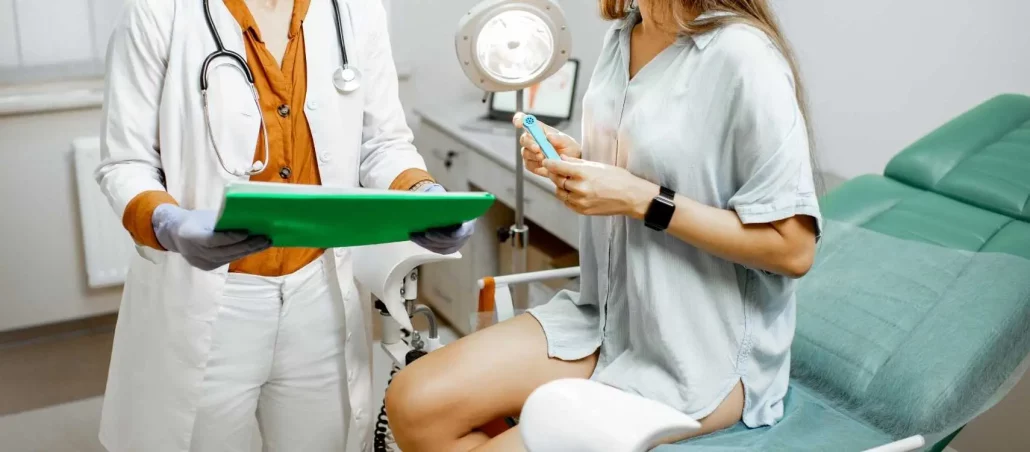
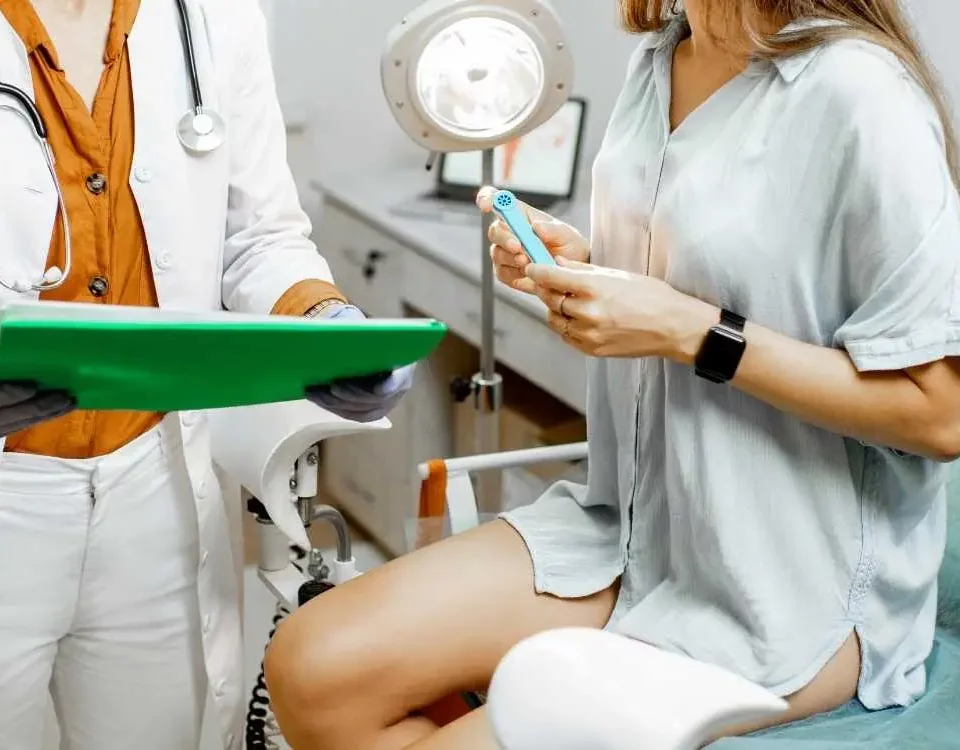
Diagnosis of endometriosis involves pelvic examination, ultrasound, magnetic resonance imaging (MRI), and laparoscopy. If diagnosed, the priority of treatment is to relieve pain and eliminate infertility to enable pregnancy. Initially, medication is tried; if medication is unsuccessful, surgical treatment is preferred. If pregnancy does not occur spontaneously after surgical treatment, ovulation stimulation and sperm insemination into the uterus can increase the chances of pregnancy.
 Turkish
  English