


For many women and couples experiencing pregnancy loss, one of the most challenging questions is "Why did it happen?" Especially after a first miscarriage, the answer to this question is crucial for both the emotional healing process and the shaping of hopes for the future. From a medical perspective, while the causes of miscarriages can vary, the statistically most common reason is quite clear: genetic problems in the embryo. This is often related to natural biological processes that are beyond the control of the expectant mother or the couple.

What is the most common cause of miscarriage?
The most common cause of miscarriages, or pregnancy losses, is genetic problems. Medical data shows that a large proportion of early pregnancy losses, in particular, are due to chromosomal abnormalities in the embryo.
For a pregnancy to progress healthily, the embryo's chromosomal structure must be normal. Every cell in the human body contains a specific number and structure of chromosomes. These chromosomes carry genetic information and guide the embryo's development. If there is a deficiency, excess, or structural abnormality in this structure, healthy embryonic development may not be possible.
The Role of Embryo's Genetic Structure in Pregnancy
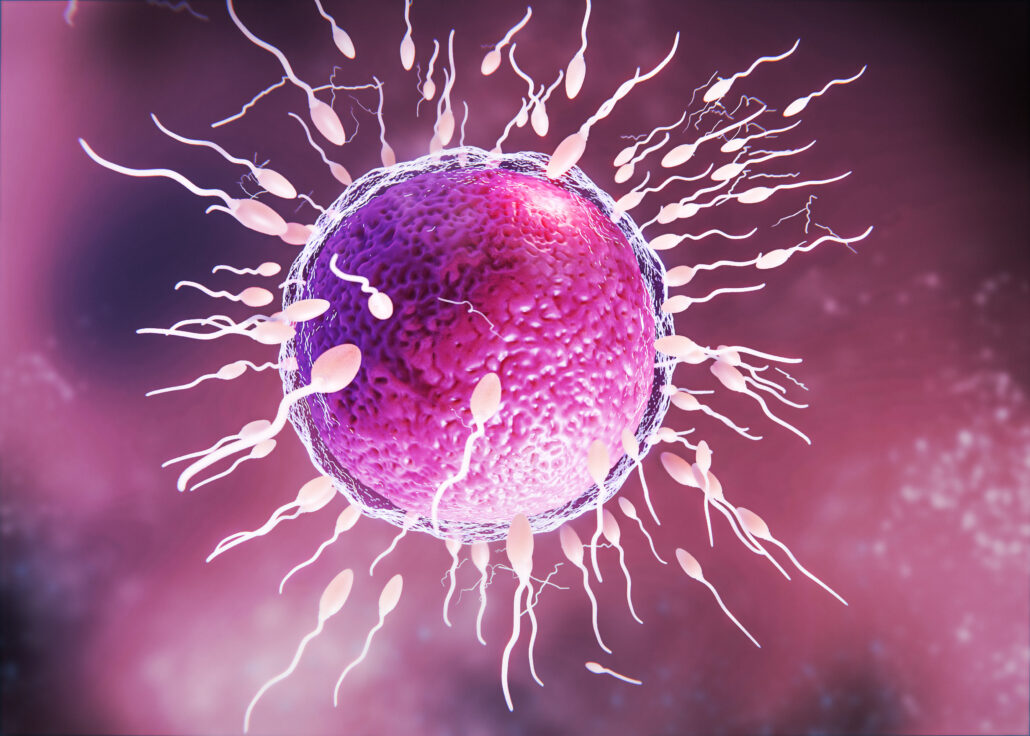
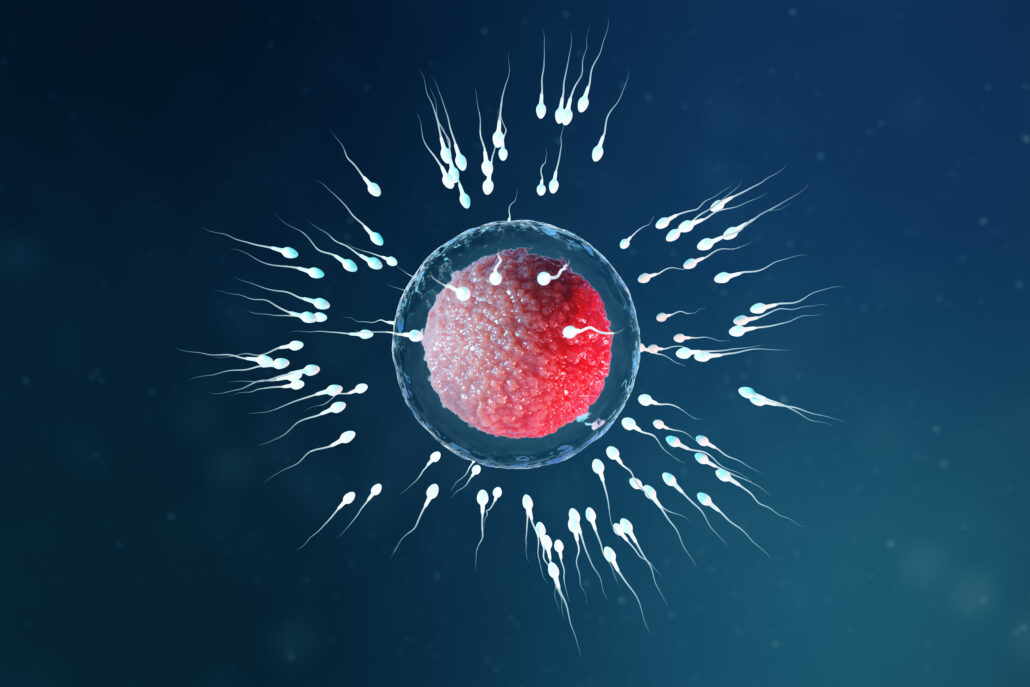
The genetic makeup of the embryo is one of the fundamental determinants for the continuation of pregnancy. From the moment of fertilization, the embryo rapidly divides and organ systems begin to form. This complex process requires the complete and accurate transfer of genetic information.
If there is a problem with the embryo's genetic structure, the pregnancy is often lost very early. In most cases, this loss occurs when the pregnancy test has just become positive or the pregnancy cannot be clearly seen on ultrasound. For this reason, some pregnancy losses are also called "chemical pregnancies".
This is considered a natural mechanism the body develops to prevent an unhealthy pregnancy from progressing. Therefore, miscarriage is often a protective response from the body and is associated with the embryo having a genetic makeup incompatible with life.
How do genetic problems arise?
Genetic problems can manifest in different ways. The most common include:
- Chromosome number abnormalities: The presence of more or fewer chromosomes than necessary in the embryo.
- Structural chromosomal abnormalities: A portion of the chromosomes is missing, extra, or misaligned.
- Random genetic errors: Problems that develop entirely by chance during fertilization.
Most of these genetic problems are random and can occur even if neither parent has a known genetic disease. The frequency of such anomalies may increase, particularly with advanced maternal age.
Other Possible Causes of Miscarriage
Although genetic problems are statistically the leading cause of miscarriage, they are not the only cause. In some cases, different medical factors can also lead to pregnancy loss. These include:
Intrauterine Structural Problems
Congenital abnormalities of the uterus, fibroids, or intrauterine adhesions can make it difficult for the embryo to implant and develop healthily.
Hormonal Imbalances
Hormonal problems such as thyroid disorders, progesterone deficiency, or uncontrolled diabetes can negatively affect the continuation of pregnancy.
Immune System Related Problems
In some immune system disorders, the body may perceive the embryo as foreign tissue, making it difficult for the pregnancy to continue.
Coagulation Problems
Blood clotting disorders can affect blood flow to the placenta, leading to pregnancy loss.
While all these reasons are important, studies show that the vast majority of miscarriages are associated with genetic abnormalities in the embryo.
Genetically Healthy Embryo and Pregnancy Continuation
In short:
- If the embryo is genetically healthy, The likelihood of the pregnancy continuing is high.
- If there is a genetic problem, Early pregnancy loss is possible.
Therefore, the most critical step in post-miscarriage evaluation is accurately analyzing the genetic health of the embryo and any potential risk factors for the couple. This evaluation helps to understand the cause of the loss and can also provide guidance for subsequent pregnancies.
The Importance of Post-Miscarriage Assessment
The assessment following a miscarriage may not be the same for every couple. More detailed investigations may be necessary, especially in cases of recurrent pregnancy loss. The aim is to identify possible underlying causes and clarify risks for future pregnancies.
During this process, genetic testing, the couple's medical history, and existing risk factors are considered together. This allows for avoiding unnecessary anxiety while focusing on what truly matters.
Frequently Asked Questions (FAQ)
What is the most common cause of miscarriage?
The most common cause of miscarriage is genetic problems in the embryo. In particular, a large proportion of early pregnancy losses are associated with chromosomal abnormalities.
Is Genetic Testing Necessary After a First Miscarriage?
Often, further genetic testing may not be necessary after a single miscarriage. However, clinical evaluation should be tailored to the individual.
Do genetic problems originate from the mother or the father?
Most genetic problems are random and can occur even if there is no known problem in the mother or father.
What does it mean for an embryo to be genetically unhealthy?
This means there is an abnormality in the number or structure of chromosomes in the embryo, which can hinder healthy development.
Is Miscarriage a Bodily Reaction?
Yes, most early miscarriages are considered a natural mechanism the body develops to prevent an unhealthy pregnancy from progressing.
Can uterine structure cause miscarriage?
Certain intrauterine structural problems can increase the risk of pregnancy loss, but the most common cause is genetic factors.
Do hormonal problems increase the risk of miscarriage?
Yes, some hormonal imbalances can negatively affect the continuation of pregnancy.
Are clotting disorders investigated in every miscarriage?
In cases of recurrent pregnancy loss, clotting disorders are usually evaluated in more detail.
Does a genetically healthy embryo always guarantee a successful pregnancy?
Genetic health is an important factor, but the continuation of pregnancy depends on many variables and can vary from person to person.
Does the chance of getting pregnant again decrease after a miscarriage?
For most women, a single miscarriage does not significantly reduce their chances of having a healthy pregnancy later in life.






 Turkish
  English