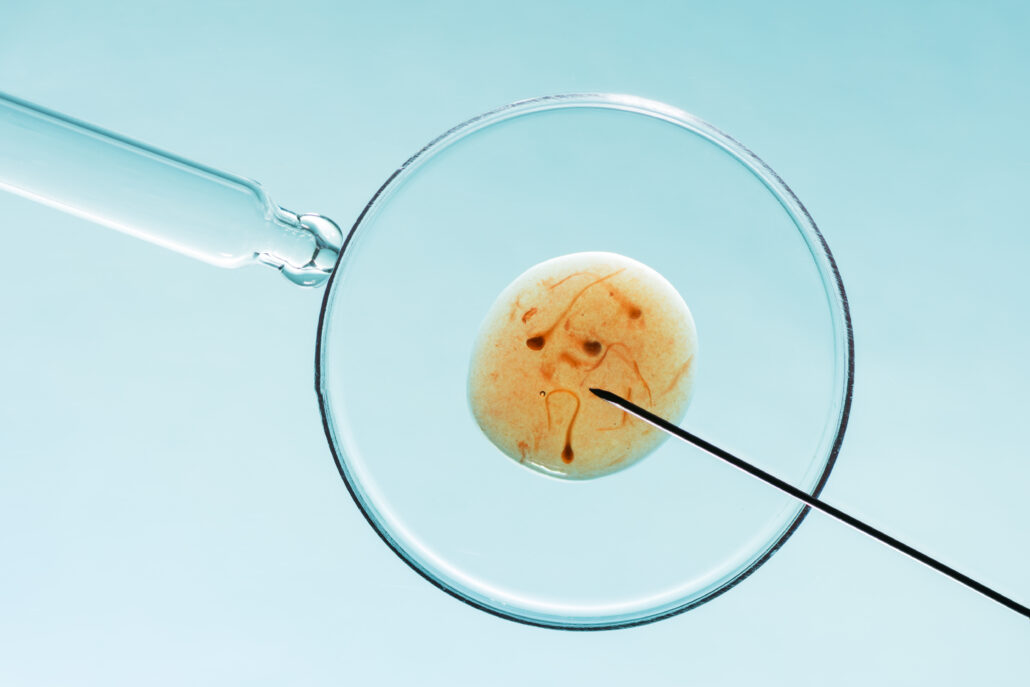



Ovarian reserve is a significant factor affecting a woman's fertility. It refers to the number of healthy eggs in a woman's ovaries, and this reserve decreases with age. Understanding this process is critical for protecting reproductive health and intervening early. Specifically, the Anti-Müllerian Hormone (AMH) test is one of the most common ways to assess a woman's ovarian reserve. This article will explain what AMH is, why it's important, how the test is performed, and methods for managing low ovarian reserve.

What is AMH and Why is it Important?
Anti-Müllerian hormone (AMH) is an important hormone that indicates a woman's ovarian reserve. This hormone, which begins developing in the womb, continues to be secreted until menopause. The AMH test is one of the most commonly used methods for evaluating ovarian reserve in women. This test is performed using a blood sample and can be done on any day of the menstrual cycle, making it quite practical.
AMH levels directly reflect the state of ovarian reserve. As the reserve decreases, the AMH level in the blood also decreases. This test is widely used, especially in IVF treatment, to assess ovarian reserve and quality.
What should the normal AMH value be?
AMH levels are generally considered normal between 1.5 and 4 ng/ml. However, values below 1 ng/ml indicate low egg reserve. AMH levels above 4 ng/ml may suggest problems such as polycystic ovary syndrome. In women under 35, low AMH levels may be a sign of early menopause.
Causes of Low AMH Levels
Low AMH levels can have multiple causes. Genetic predisposition is one of the most common factors. Women with a family history of early menopause should be more vigilant. The risk of low AMH levels also increases in women who have undergone ovarian surgery. Some genetic disorders, such as Turner syndrome, are also associated with low AMH levels.
What should be done when low AMH levels are detected?
Women with low AMH levels should not delay trying to conceive. Women who do not plan to become pregnant can freeze their eggs for future use. This procedure is more successful if done before the egg reserve is depleted. Women with low egg reserves can still conceive naturally, but this process should be managed promptly.
AMH Test and Other Tests
The AMH test is performed by measuring a blood sample and can be done on any day of the menstrual cycle. In addition to this test, hormone tests such as E2 and FSH may also be performed in women suspected of infertility. Low AMH levels may indicate a risk of infertility or early menopause, and in such cases, evaluation is done in conjunction with other tests.
Egg freezing is an important option for women diagnosed with low AMH levels. This procedure should be performed before the egg reserve is completely depleted.
Is it possible to preserve egg reserves?
Unfortunately, there is no definitive treatment to increase egg reserve. However, some lifestyle changes can slow down the decline of egg reserve. Smoking, alcohol, stress, excessive caffeine consumption, and unhealthy eating are among the factors that negatively affect egg reserve. Avoiding these habits can help protect egg reserve.
Treatments that Support Egg Reserve
While not increasing egg reserve, some medications can support egg quality. Supplements like DHEA, folic acid, vitamins A and E, and Coenzyme Q10 can help delay cellular aging. These treatments should be administered under a doctor's supervision.
Frequently Asked Questions (FAQ)
- What should the AMH level be?
- AMH levels are generally considered normal between 1.5 and 4 ng/ml. Values below 1 ng/ml indicate low egg reserve.
- On which day of the menstrual cycle is the AMH test done?
- The AMH test can be done on any day of the menstrual cycle. There is no need to specify a particular day of the menstrual cycle for the test.
- What does a low AMH level mean?
- Low AMH levels indicate a decreased egg reserve. This can have a negative impact on fertility.
- Is it possible to increase AMH levels?
- It is not possible to directly increase AMH levels. However, a healthy lifestyle can slow down the depletion of egg reserve.
- Who is egg freezing suitable for?
- For women who do not plan to become pregnant or who are not yet married, egg freezing may be an option. This procedure helps preserve the chances of pregnancy as egg reserves decrease.
- What factors reduce egg reserve?
- Factors such as smoking, alcohol, stress, excessive caffeine consumption, and unhealthy diet can negatively affect egg reserve.
- What is egg rejuvenation drug treatment?
- Some medications can be used to support egg quality, but these treatments do not increase egg reserve. Substances such as DHEA, folic acid, and Coenzyme Q10 are among these treatments.
- Can early menopause be prevented?
- Unfortunately, early menopause cannot be prevented. However, early detection is possible through regular checkups.
- Is the AMH test an indicator of infertility?
- Low AMH levels may indicate a risk of infertility, but this alone is not a definitive diagnosis. Other hormone tests and a doctor's evaluation are also necessary.











 Turkish
  English