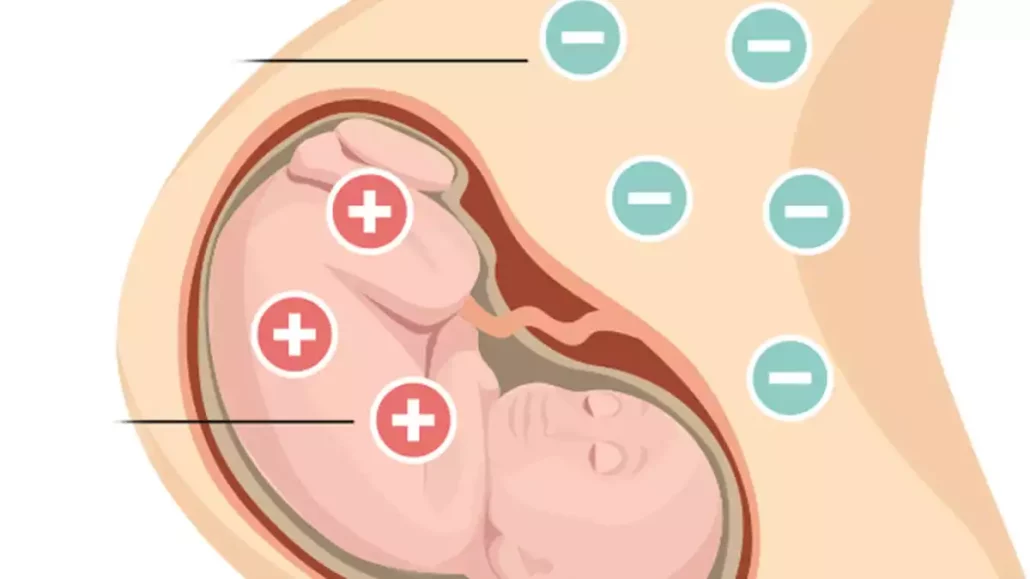


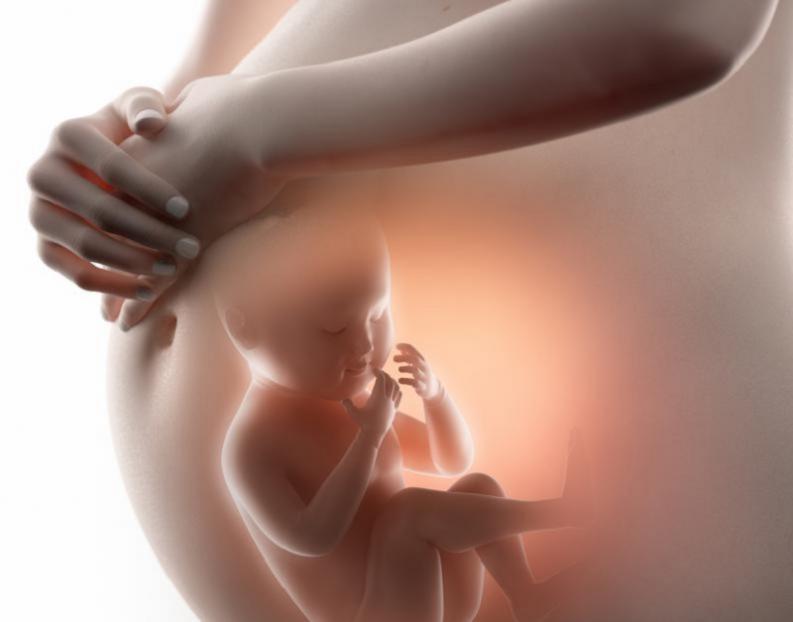
The position of a baby in the womb is crucial for understanding and comprehending a normal vaginal delivery. The baby's position within the uterus provides information about whether or not it can be born naturally. The vast majority of babies are in a head-down position in the womb. The head is the heaviest part of the baby's body, so gravity causes the head to settle into this position within the womb. This position is the easiest and most suitable position for a normal vaginal delivery. At 34 weeks of gestation, an average of % 75% of babies are in a head-down position. This average reaches around % 95% by 40 weeks of gestation. This allows babies to reach a suitable position for a normal vaginal delivery, ready to be pushed out. However, in some cases, babies may be in positions other than head-down. In such cases, monitoring with a doctor should be intensified, and if deemed necessary, delivery should be performed by cesarean section.
Baby's Positions in the Womb
1. Fetal Presentation
The term "presentation" refers to the part of the baby that is leading in the womb, just at the entrance of the birth canal. On average, 95% of babies present with their heads first, a presentation called vertex presentation. However, in some cases, the baby's buttocks are leading instead of its head; this is called breech presentation. There are different types within breech presentation. In a very small probability, the leading part of the baby may be its forehead, hand, foot, face, or shoulder.
2. Fetal Position
Fetal position refers to the relationship between the longitudinal axis of the baby and the longitudinal axis of the mother. Normally, these two axes should be parallel, meaning the baby's head should be down and its buttocks up, or vice versa. This is the longitudinal position. If both axes are perpendicular instead of parallel, this is an abnormal situation. The baby is positioned sideways in the womb. In this case, conduplicato corpore may rarely develop, and a normal vaginal delivery may not be possible.
3. Fetal Position
Fetal position determines the relationship between the mother's pelvis and the presentation. It is referred to as anterior or posterior, right or left. All positions of the baby in the womb are a factor that directly affects the course of labor. Therefore, you should have regular checkups throughout your pregnancy and have your baby's position in the uterus monitored as your due date approaches to determine your preferred delivery method.
There is an external version of the procedure, where the baby's position is changed from the outside, but it is no longer used today due to the risks involved. Although this method can be successful, it is not preferred today because it can be risky for both mother and baby. The most significant disadvantage of the external version is that it can lead to placental abruption (separation of the placenta). Additionally, the method of turning the baby from the inside while holding it upright (internal version) is also among the methods not preferred today due to its risks.






 Turkish
  English