

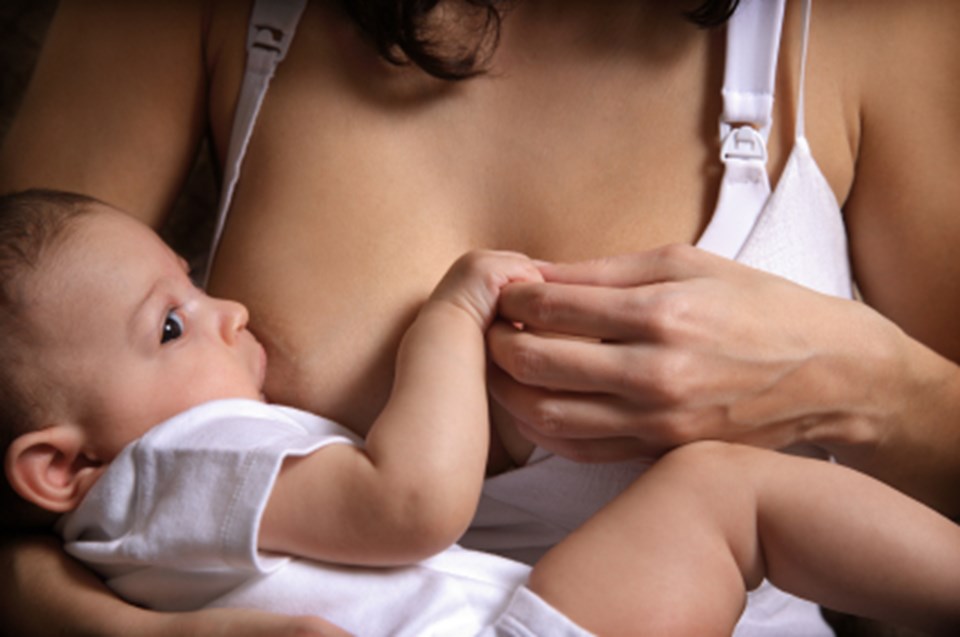
Postpartum breast inflammation, also known as mastitis, is a type of inflammation of the breast tissue that occurs during the postpartum period and presents with symptoms such as breast pain, swelling, warmth, and redness. This condition, which reduces the quality of life for breastfeeding mothers, causes both physical and psychological discomfort. It can also make baby care more difficult and can occur in women who continue breastfeeding for up to a year after childbirth.
Risk Factors and Symptoms of Mastitis in Postpartum Women
Mastitis in the postpartum period can develop for two different reasons. The first is milk trapped in the breast and blocked milk ducts. If the mother's breasts are not completely emptied during breastfeeding, the milk ducts can become blocked. This blockage causes milk to back up, leading to inflammation in the breast. Another cause of mastitis is bacteria entering the breast. Bacteria found on the skin and in the baby's mouth can reach the milk ducts through cracks in the mother's skin or from the mother's nipple. These bacteria combine with the stagnant milk that has accumulated and not been emptied, creating a feeding area and causing inflammation.
Risk factors for postpartum mastitis include women with sores and cracks on their nipples, and those who have previously experienced breastfeeding-related mastitis. Wearing tight bras can also put pressure on the breasts, hindering milk flow and leading to mastitis during the postpartum period. Incorrect breastfeeding techniques, excessive stress and fatigue during the postpartum period, poor diet, and smoking can also contribute to postpartum mastitis.
The symptoms of mastitis during the postpartum period are as follows:
- Breast swelling
- Breast tenderness
- Feeling warmth when touching the breast
- Thickening of breast tissue
- A lump in the breast tissue
- Redness on the skin, usually triangular in shape.
- The mother feels sick, tired.
- High fever
When should you see a doctor?
If one or more of the symptoms listed above appear during breastfeeding, you should consult your doctor. Treatment for mastitis usually involves a 10-day course of antibiotics if an infection is present. Pain relievers are also a recommended treatment method. In addition, measures to reduce the likelihood of mastitis in postpartum women include ensuring the mother completely empties one breast before switching to the other, allowing the baby to finish one breast before moving to the other, changing positions when switching breasts, and quitting smoking.


 Turkish
  English