

Childbirth is one of the most special times in a woman's life, something she dreams of and anticipates. However, while some expectant mothers experience the birthing process and postpartum period with happiness and peace, others may experience certain mental health issues. The stress of childbirth, hormonal changes, and the challenges of a new life and responsibilities can create mental and emotional changes in the mother, leading to disorders such as melancholy, depression, and psychosis.
Causes of Postpartum Depression
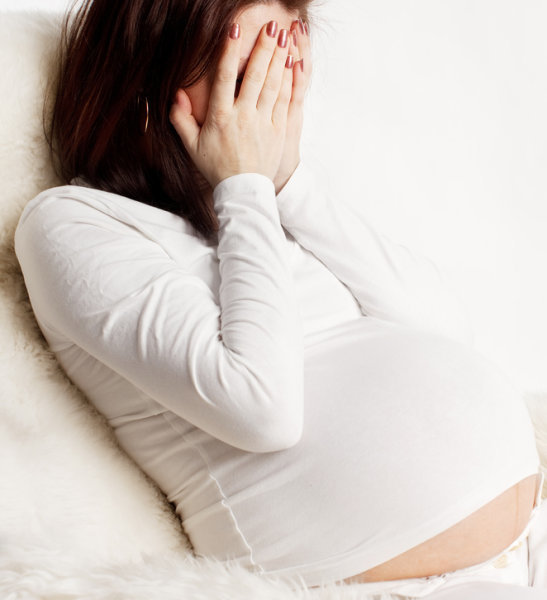 1. Biological Reasons
Estrogen and progesterone levels rise during pregnancy, but these levels drop sharply after childbirth. This can lead to depression. We also believe that folic acid deficiency may play a role in postpartum depression.
2. Psychosocial Reasons
Social stress associated with childbirth, interpersonal relationships, and lack of social support can also trigger postpartum depression. Mothers who feel that factors outside their control are now controlling their lives are at particularly high risk. Furthermore, sometimes the end of pregnancy can cause the expectant mother to experience mental distress by equating the loss of closeness with the fetus to the loss of a loved one.
Symptoms of Postpartum Depression
- Sleep problems
- Crying fits
- Headaches
- Concentration difficulties
- Wonder
- Don't look sad.
- Weakness
- Irritability
- Anorexia
 Symptoms of postpartum depression usually appear in the first week after childbirth and disappear spontaneously within a few weeks. However, sometimes, if the mother does not receive sufficient attention and support from her family and loved ones, the depression may last longer and professional help may be needed.
Tips for Expectant Mothers to Prevent Postpartum Depression
- Instead of doing housework or daily chores while your baby is sleeping, you can also sleep and rest.
- Try not to overexert yourself. Make sure you get enough sleep and rest during the day.
- If you sleep in the same room as your baby and their movements constantly wake you up, try moving your baby to a different room.
- Don't be solely responsible for the baby's care. Establish a system where you and your partner take turns caring for the baby. Also, try to get support from friends who have experience with motherhood or baby care.
- If you have the opportunity, enroll in prenatal preparation classes.
- Maintain a regular and healthy diet both during and after pregnancy.
If your depression symptoms persist and become bothersome, be sure to discuss the situation with your doctor and seek their support.


 Turkish
  English