

Myomas, more commonly known as fibroids, are benign masses in the female reproductive system with a very low risk of becoming cancerous. Currently, approximately one in four women have fibroids, but three-quarters of women with fibroids are unaware they have them because they experience no symptoms. Fibroids frequently cause pain, menstrual irregularities, and pain during sexual intercourse.
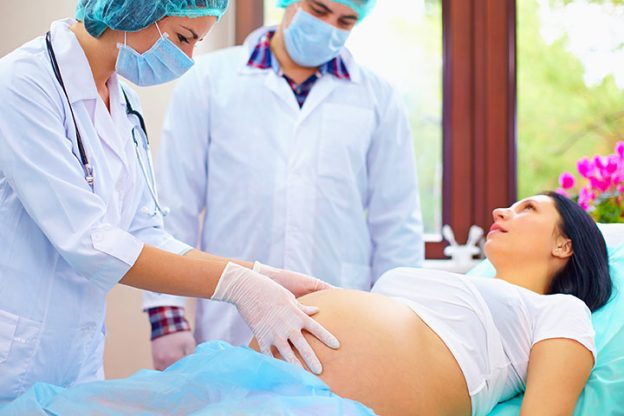
The vast majority of uterine fibroids do not affect pregnancy positively or negatively. Fibroids, which are more common in expectant mothers experiencing their first pregnancy, are diagnosed during routine gynecological examinations or during examinations performed for other reasons.
Can fibroids prevent pregnancy?
Uterine fibroids generally do not prevent pregnancy. However, depending on their location and size, fibroids can negatively affect the ability to conceive. Submucosal fibroids, located inside the uterus, can prevent implantation, or fibroids located in a position that blocks the cervix or fallopian tubes can make pregnancy more difficult.
Do fibroids grow during pregnancy?
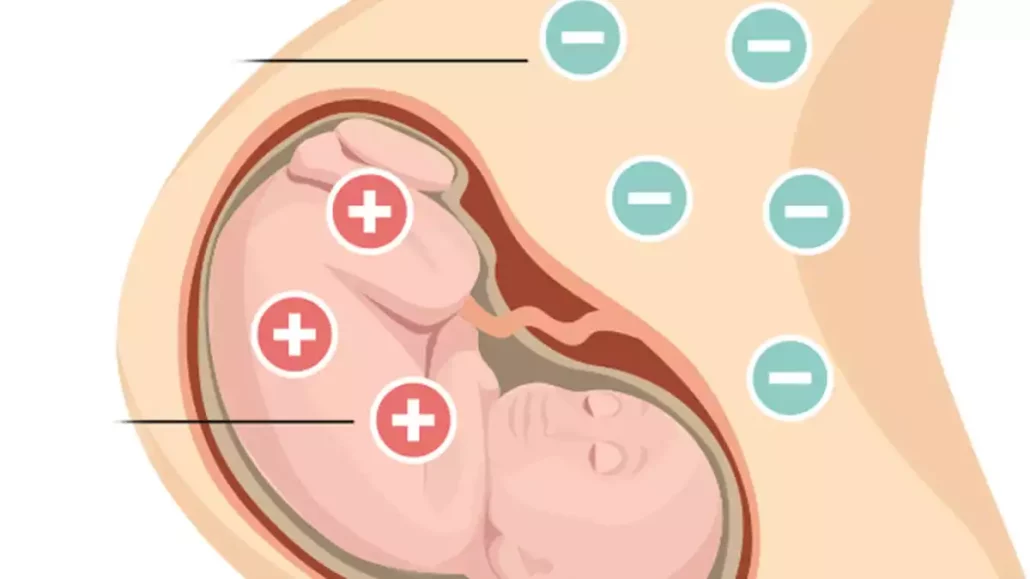
Uterine fibroids are frequently seen in young women of reproductive age. During pregnancy, the uterus grows many times larger than its pre-pregnancy size. Unfortunately, hormonal changes during pregnancy can also cause fibroids to grow. Rarely, fibroids can shrink during pregnancy. For these reasons, it is healthiest for both mother and baby if a pregnant woman is diagnosed with fibroids and has more frequent check-ups throughout her pregnancy. Fibroids generally tend to shrink after childbirth.
Can fibroids harm the baby?
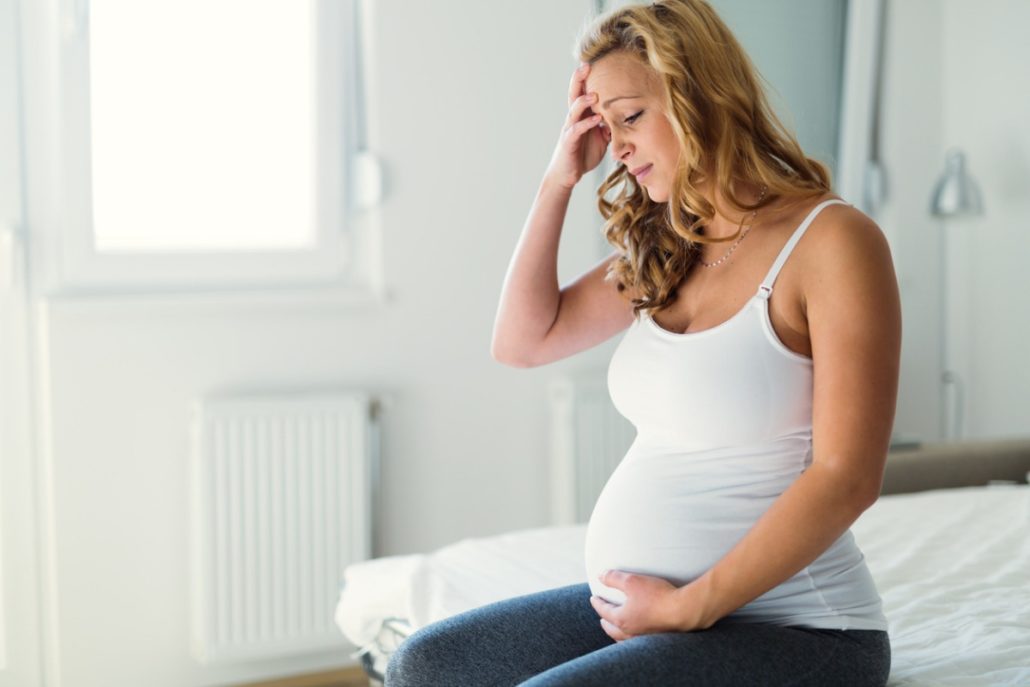
fibroids during pregnancylar, Fibroids, especially during pregnancy, can cause pain, and since painkillers cannot be easily used during pregnancy, managing the pain can be difficult. In addition to abdominal pain, fibroids during pregnancy can cause back pain, frequent urination, pain during intercourse, and constipation. Sometimes, pregnancy can be completed without any symptoms. The likelihood of a negative impact generally depends on their location, size, and number. However, although fibroids can cause symptoms such as bleeding and pain, the probability of them harming the baby is quite low. Nevertheless, it is best and healthiest to consult your doctor as soon as these symptoms begin to appear.
Can Fibroids Prevent a Normal Delivery?
Fibroids generally do not prevent normal vaginal delivery. This depends on the size of the fibroid or its proximity to the cervix. In some cases, fibroids can make normal delivery more difficult, and a Cesarean section may be more appropriate. In other cases, fibroids may not prevent delivery, and the expectant mother may choose a normal delivery. It is wiser to proceed with your doctor's approval and guidance in these situations.
Can uterine fibroids be treated during pregnancy?
Pain caused by uterine fibroids during pregnancy is generally treated symptomatically with bed rest and pain relievers. This usually resolves the pain within a few days. Beyond that... fibroids in pregnancyNo surgical intervention (myomectomy) can be performed for these.
For all these reasons, I recommend that you have a check-up before pregnancy so that you can take precautions if you have fibroids.
Wishing you happy and healthy pregnancies…



 Turkish
  English