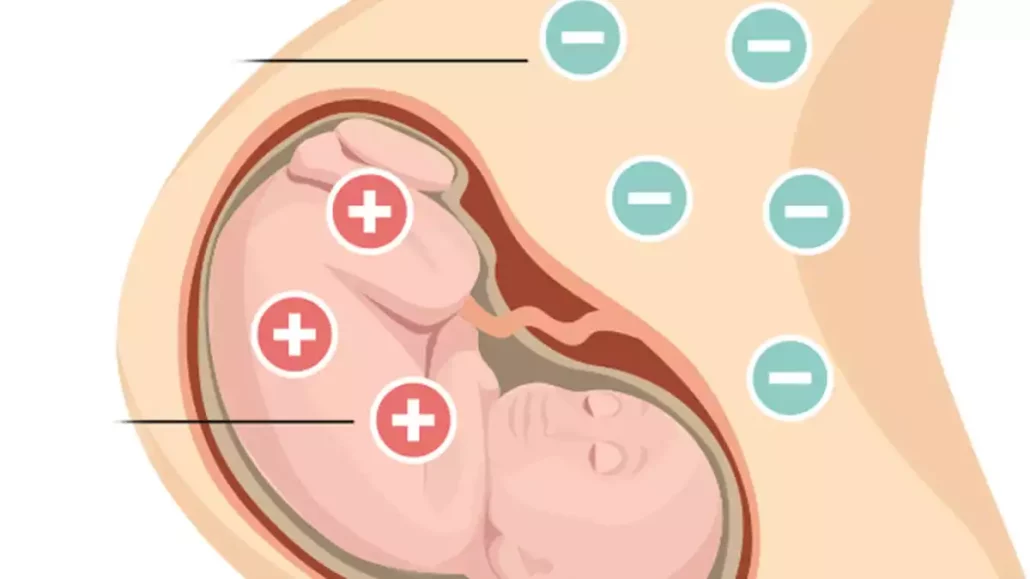



Pregnancy is an exciting yet stressful process for many women. Certain problems during pregnancy can cause expectant mothers to worry about both their own and their baby's health. One such problem is vaginal bleeding. Vaginal bleeding during pregnancy is actually a common occurrence and doesn't always indicate a serious problem.
First Trimester Bleeding
During the first trimester of pregnancy, women with to experience bleeding in various forms. Some pregnancies may have light, intermittent, or painless bleeding, while others may have heavy, continuous, or painful bleeding. Some bleeding may have serious underlying causes, while others are insignificant; however, all cases require medical evaluation.
Possible causes of bleeding during the first 3 months of pregnancy include:
- Low threat
- Changes occurring in the uterus (softening of the uterus, increased blood flow to the uterus, etc.)
- Implantation bleeding
- Uterine cancer
- Molar pregnancy
- ectopic pregnancy
- Some uterine infections
Possible causes of bleeding during the second or third trimester of pregnancy include:
- Dilation bleeding (bleeding that occurs when the cervix opens before childbirth)
- Placental previa
- Placental abruption
- Cervical insufficiency
- Intrauterine infection
Some vaginal bleeding in the later months of pregnancy is normal. As the uterus thins and relaxes in preparation for childbirth, the thick mucous membrane covering the cervix may shift, causing the mother to feel a thick or stringy discharge mixed with blood. If this occurs one or two weeks before delivery, it is considered a normal sign of labor.
When should you see a doctor about vaginal bleeding?
It is important to report any vaginal bleeding you experience during pregnancy to your doctor. During the first three months: ;
- For light staining,
- For vaginal bleeding that lasts more than one day,
- If bleeding is accompanied by chills, abdominal pain, and fever, you should contact your doctor immediately.
During the second three-month period; ;
- In cases of bleeding that disappears within a few hours,
- In cases of vaginal bleeding that lasts for more than a few hours, regardless of the amount,
- Regardless of the amount of bleeding, if it is accompanied by abdominal pain, fever, chills, and leakage of fluid, you should contact your doctor immediately.
During the third trimester of pregnancy, any bleeding, regardless of amount, that occurs before week 37 and is accompanied by abdominal pain should prompt you to contact your doctor immediately.
In conclusion, bleeding during pregnancy should not be ignored.




 Turkish
  English