

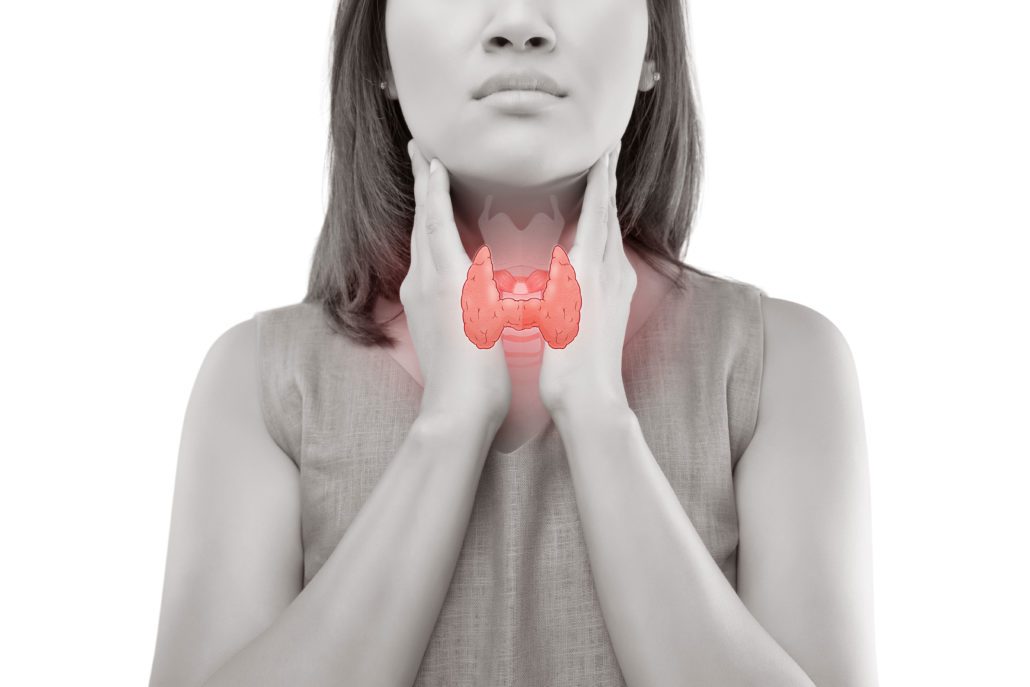
Hashimoto's disease, an autoimmune disorder that has become increasingly common in recent years, targets harmful antibodies from viruses, fungi, bacteria, and parasites, attempting to destroy the thyroid gland. The immune system directs these antibodies against the thyroid gland, essentially identifying it as foreign. The disorder arises when the body's own immune system (thyroid tissue) is recognized as foreign. Hashimoto's can cause hyperthyroidism, but in the long term, it can lead to hypothyroidism, or thyroid hormone deficiency.
Symptoms of Hashimoto's Disease
- Change in voice
- Dry skin
- Weakness, chronic fatigue
- Forgetfulness
- Constipation
- Slowing of speech
- Edema
- Difficulty conceiving
- Joint and muscle pain
Hashimoto's disease is a disorder that arises when environmental factors stimulate an autoimmune process. Factors such as age and gender also play a role. It is particularly common in women. Risk factors include estrogen and genetic predisposition. When the histories of individuals with Hashimoto's disease are examined, thyroid or other autoimmune diseases (Vitiligo, Rheumatoid arthritis, Addison's disease, Type 1 diabetes, Graves' disease, Pernicious anemia, Lupus) may be found in the family.
How is Hashimoto's Disease Diagnosed?
Diagnosing Hashimoto's disease requires thyroid hormone tests in the blood (thyroid function tests and thyroid antibodies).
Pregnancy and Hashimoto's disease
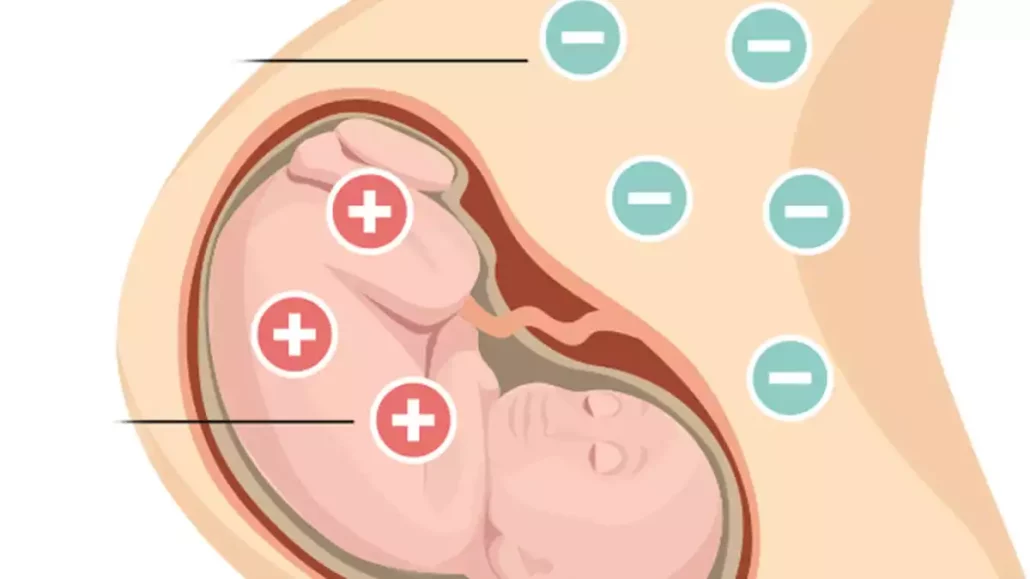
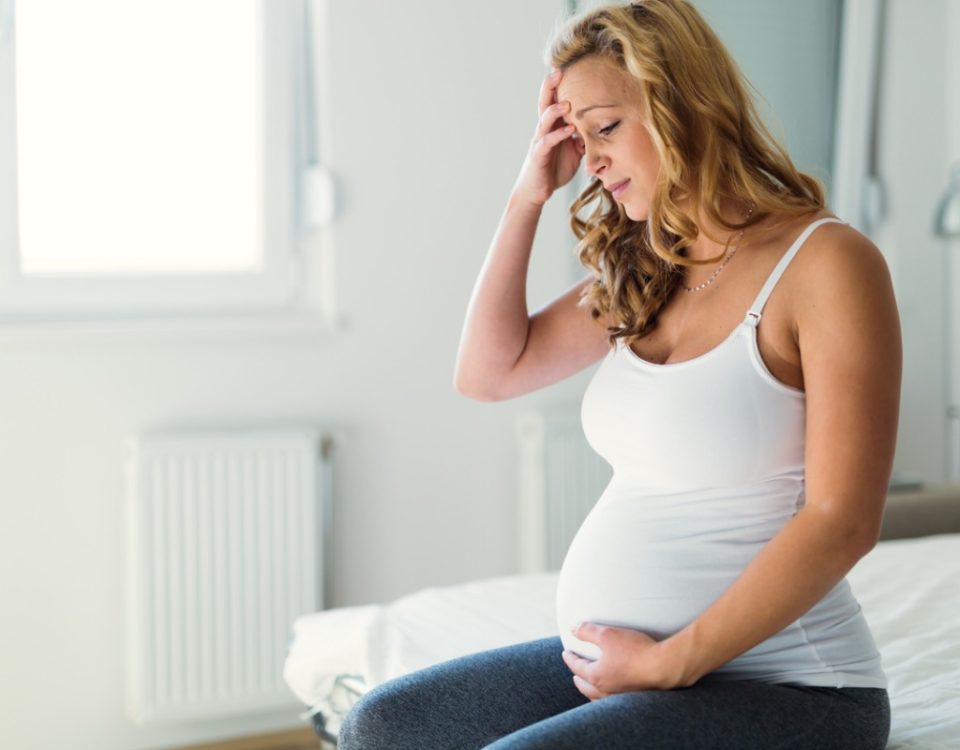
If a pregnant woman is diagnosed with Hashimoto's disease during pregnancy, a number of problems may arise that affect only the mother, only the baby, or both. Nowadays, with a careful approach and the application of an appropriate treatment method, the disease can be treated with a high success rate.
If left untreated, the condition can cause several problems for the expectant mother. Some of these may include serious consequences such as heart failure, coma, and death. In addition, the mother's reproductive health may be negatively affected, leading to infertility, miscarriage, or birth defects in the baby. Therefore, I recommend that you have your thyroid function tests done by your doctor when you decide to become pregnant or in the early stages of pregnancy.
Can people with Hashimoto's disease get pregnant?
Women with Hashimoto's disease can become pregnant. However, the healthiest and most accurate approach is to make all pregnancy plans in consultation with their doctor and to have their thyroid function checked during pre-pregnancy checkups.
Source :
- Stagnaro-Green, A., Roman, SH, Cobin, RH, el-Harazy, E., Alvarez-Marfany, M., Davies, TF Detection of at-risk pregnancy by means of highly sensitive assays for thyroid autoantibodies. Journal of the American Medical Association 1990 Sep 19;264(11):1422-5
- Stagnaro-Green, A. Thyroid Antibodies and Miscarriage Where Are We at a Generation Later? Journal of Thyroid Research 2011 May 12;2011:841949
- Stagnaro-Green, A., Abalovich, M., Alexander, E., Azizi, F., Mestman, J., Negro, R., Nixon, A., Pearce, EN, Soldin, OP, Sullivan, S., and Wiersinga, W. Guidelines of the American Thyroid Association for the Diagnosis and Management of Thyroid Disease During Pregnancy and Postpartum. Retrieved from http://thyroidguidelines.net/pregnancy




 Turkish
  English