

The word vegetarian, derived from the Latin root "vegetus," refers to a diet that excludes meat and meat products, fish, and poultry, while milk, dairy products, and eggs are consumed only optionally. Many people choose to be vegetarian for various reasons, such as environmental concerns, love of animals, or healthy eating. Because vegetarians do not consume animal products, they must obtain the vitamins and minerals they would otherwise get from these foods through other sources. However, this is even more crucial for pregnant vegetarians. To protect both the baby's and the mother's health, they must carefully choose their diet and ensure they get sufficient levels of protein, vitamins, calcium, and fatty acids.
Nutrient Groups Needed During Pregnancy
1. Proteins
Many people think that protein can only be obtained from meat products, but protein sources are not limited to meat. If you are a vegetarian expectant mother, you can meet your protein needs from many different food groups such as lentils, chickpeas, beans, walnuts, hazelnuts, peanuts, almonds, peas, eggs, milk and dairy products, and oats. For vegetarian expectant mothers, consuming 1 gram of protein per kilogram of body weight per day is sufficient.
2. Iron
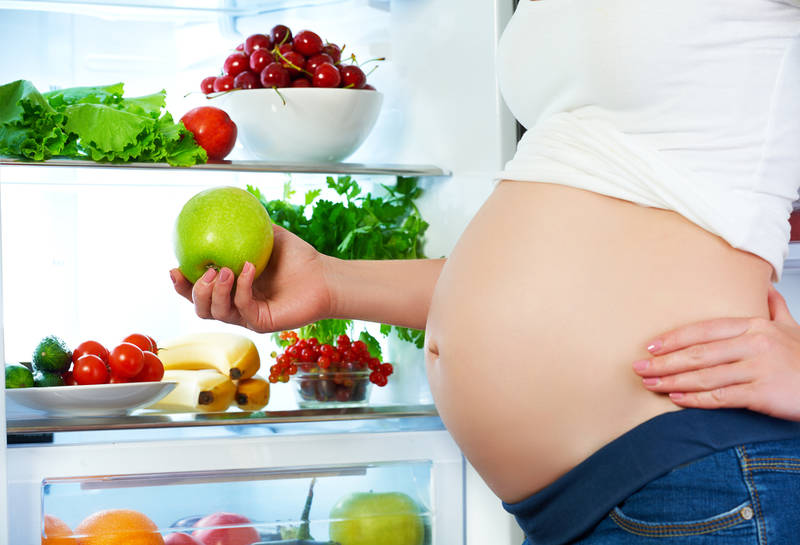
During pregnancy, an average of 30 mg of iron is needed daily. While meat, fish, and poultry are the main sources of this high-requirement iron, you can also meet your iron needs from various other foods such as kidney beans, black-eyed peas, cashews, flax seeds, lentils, oatmeal, dried black raisins, chickpeas, tomato juice, and molasses.
3. Vitamin B12
Vitamin B12, which is almost never found in plants, can be obtained by vegetarian expectant mothers through dairy products and eggs. However, if you are vegan, you must meet your B12 needs from fortified foods, injections, or tablets.
4. Omega-3
I recommend that pregnant vegetarians take an average of 500-1000 mg of Omega-3 supplements daily. Vegetarian pregnant women can obtain the Omega-3 they need from foods such as soy, walnuts, pumpkin seeds, canola oil, kiwi, hemp seeds, flax seeds, and purslane.
Vegetarian expectant mothers should follow a more careful and balanced diet throughout their pregnancy than usual. Following a program under the supervision of a qualified dietitian is the most appropriate and healthy approach at this stage, as pregnancy requires nutrients from different food groups in addition to energy and protein.




 Turkish
  English