

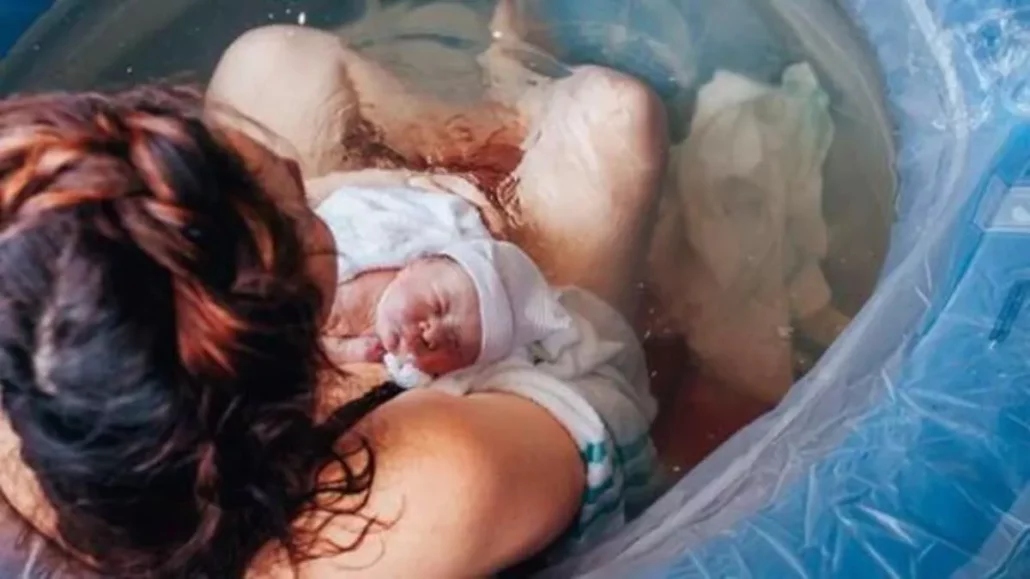
Water birth, a method we've heard about frequently in recent years and which is increasingly preferred because it reduces pain during childbirth, is a growingly popular birthing method. Essentially a type of vaginal birth, water birth is performed in specially prepared tubs filled with warm water. While not completely painless like epidural birth, it aims to reduce pain through the effect of water. Water birth is offered in some private and public hospitals in Turkey.
What is the purpose of water birth?
The aim of giving birth underwater is to reduce the mother-to-be's stress through the relaxing effect of water, making the birth faster and more comfortable. Water births can also reduce the need for pain medication during labor. Furthermore, the relaxation of the perineal and vaginal muscles by the water helps the mother-to-be feel better, experience less pain, and have a much more comfortable delivery.
How does a water birth occur?
For a water birth to be possible, the inside of a specially prepared bathtub must first be at 37°.C The bathtub is filled with water around 37°. Water that is too hot can cause changes in the mother-to-be's blood circulation, leading to sudden drops in blood pressure and reduced blood flow to the placenta.C ‘The mother-to-be needs to be kept still throughout the entire labor. After the bathtub is filled, the mother-to-be, whose labor pains have begun, is placed in the pool. Sitting in the water, the mother-to-be quickly shows signs of calming and relaxing due to the effect of the water.
During this time, the doctor or midwife who will deliver the baby enters the pool with the necessary equipment to perform the delivery. The baby is not brought to the surface until its body is completely outside the body. The baby receives the oxygen it needs through the umbilical cord, so the umbilical cord is cut when the baby is brought to the surface. The baby, having emerged from the mother's womb, is lifted from the water within 7-10 seconds, its head and face being gently touched, and reunited with the mother.
Since a pregnant woman staying in the water for too long can lead to excessive sweating and fluid loss, delivery should be performed as quickly and efficiently as possible.



 Turkish
  English