

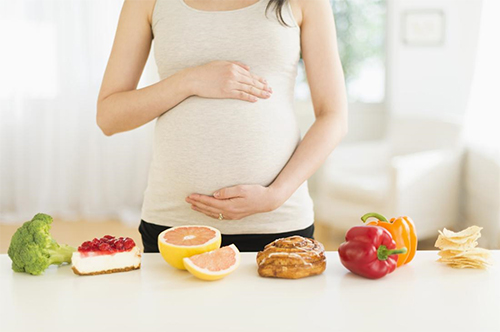
If you think the time has finally come to have the child you've long dreamed of, you may need to prepare yourself physically and mentally at least 4-5 months in advance. From the moment you decide to get pregnant, you'll need to make changes to many aspects of your life. One of the most important of these is your diet. Every food you consume has a different effect on your body, and while some foods may increase your chances of conceiving, others may decrease them.
Nutritional Recommendations for Those Trying to Get Pregnant
- Being extremely thin or overweight affects ovulation (the release of eggs). The female hormone called estrogen is responsible for ovulation. If you are extremely thin, your estrogen levels are low; conversely, if you are overweight, your estrogen levels are high. Both of these situations negatively affect the ovulation process. Therefore, if you want to get pregnant, being at your ideal weight can make things a little easier. The first thing you should pay attention to is reaching your ideal body weight.
- You can start taking folic acid supplements from the moment you decide to conceive. Consuming folic acid sources like spinach, broccoli, lettuce, and asparagus before and after pregnancy can support your baby's development.
- B complex vitamins, in particular, are essential for creating a suitable environment for egg fertilization, so you should include these types of vitamins in your daily diet.
- Iron deficiency is one of the factors that reduces the chances of getting pregnant. If your body doesn't have enough iron, both the chances of getting pregnant decrease and it can complicate the pregnancy process. I recommend that you frequently consume iron-rich foods such as meat, chicken, leafy green vegetables, and legumes from the moment you decide to get pregnant.
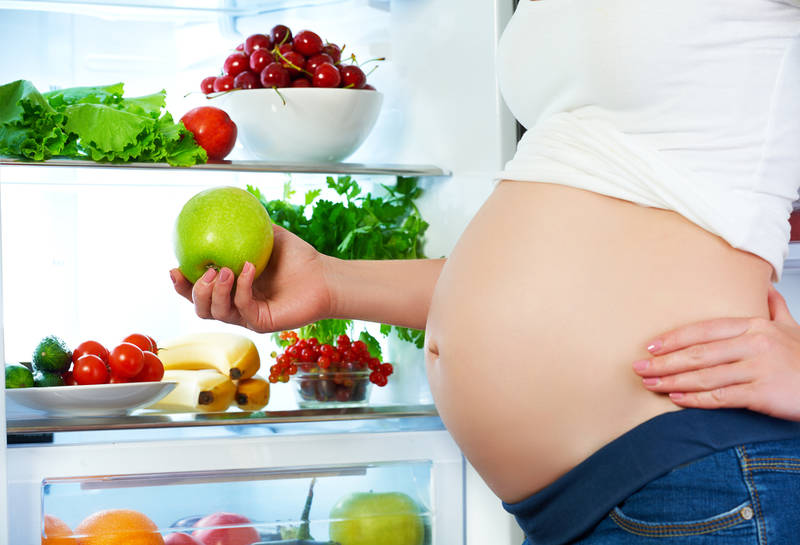
- Fresh fruits and vegetables are also among the foods you should consume abundantly to increase your chances of conceiving. Their vitamins provide you with most of the vitamins and minerals you need during this process. Citrus fruits, in particular, thanks to their bioflavonoids, increase blood circulation to the uterus, thus increasing the likelihood of fertilized eggs implanting. They also facilitate iron absorption thanks to their vitamin C content.
- Omega-3 sources also have positive effects on fertility. I recommend consuming fish at least 3 times a week. Omega-3 intake during pregnancy will also contribute to your baby's neurological development.
- Smoking has many harmful effects on our bodies. Smoking also negatively impacts the genital organs. It reduces ovarian function and makes implantation more difficult. While smoking is harmful to everyone, it is at the top of the list of things to absolutely avoid for those trying to conceive.
- Occasional drinks of wine, perhaps one or two, are acceptable, but if you are trying to conceive, you should avoid alcohol and alcoholic beverages as much as possible. Alcohol reduces the chances of conception and negatively affects any pregnancy that may occur.
From the moment you decide to conceive, you can discuss your body's nutritional needs and which vitamins and minerals should be supplemented with by consulting your gynecologist or a nutritionist. This will help you manage the process more effectively and increase your chances of getting pregnant.



 Turkish
  English