

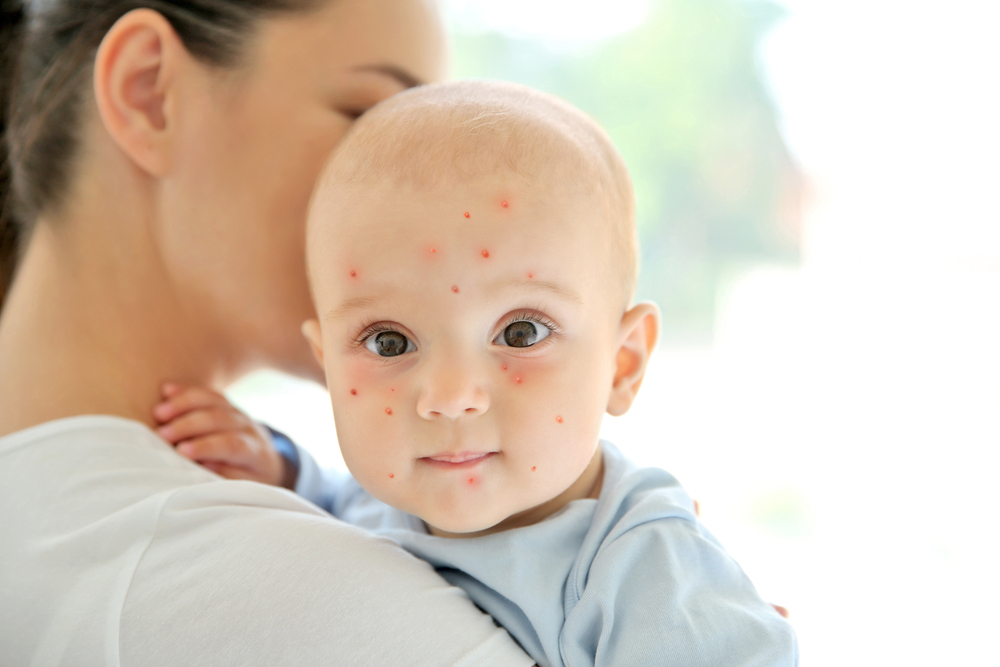
Chickenpox (varicella) is a contagious disease caused by the varicella-zoster virus (VZV), usually contracted in childhood, and characterized by fever and a red rash on the body. While chickenpox is generally contracted in childhood, it can also be contracted in adulthood, although the probability is low if it wasn't contracted in childhood. This also applies to pregnant women who have not previously acquired immunity to chickenpox. Chickenpox during pregnancy can be severe and dangerous, and if left untreated, it can threaten the health of the baby.
How is chickenpox transmitted during pregnancy?
Chickenpox during pregnancy, Chickenpox can be transmitted through direct contact with an actively infected person, as well as by inhaling airborne virus particles. If a pregnant woman has never had chickenpox before and there is someone in her household who has the disease, the chances of her contracting chickenpox are quite high.
Is Chickenpox Preventable?
Yes. Nowadays, with advanced vaccination programs, chickenpox is among the preventable diseases. If you did not receive the chickenpox vaccine during childhood, you should get vaccinated before pregnancy.
Symptoms of Chickenpox During Pregnancy
The most common symptom of chickenpox is a red rash on the body. Red spots may also appear on the face and body, along with fever, muscle and joint pain, weakness, and chills.
If an expectant mother comes into contact with someone who has chickenpox or contracts the virus through respiratory transmission, the virus begins to multiply regionally in the lymph nodes within the first four days. It then spreads through the bloodstream to other organs such as the liver and spleen, continuing to multiply. Approximately 10-14 days later, it reaches the skin, and symptoms of the disease begin to appear on the skin.
Does chickenpox during pregnancy harm the baby?
Chickenpox during pregnancyCatching chickenpox can create a risky situation. Some pregnant women who contract chickenpox may experience lung complications, such as those with % 10. If left untreated, chickenpox-related pneumonia can lead to fetal death and increase the likelihood of birth defects.
If an expectant mother has come into contact with someone who has chickenpox, either through respiratory means or direct contact, she should consult a doctor immediately. The first step is to determine if the pregnant woman has immunity to chickenpox. Then, within 72 hours of infection, the expectant mother can take varicella-zoster immunoglobulin (VZIG) to prevent or reduce the severity of the disease. In addition, if the expectant mother experiences severe chest or abdominal pain, bleeding rashes, very severe rashes, mouth rashes, or immune system disorders, she must consult her doctor and follow an appropriate treatment plan.
In conclusion, I recommend checking your chickenpox vaccination status before becoming pregnant, being cautious when in contact with people who have had chickenpox, and consulting your doctor if you suspect you have any symptoms of chickenpox.




 Turkish
  English