

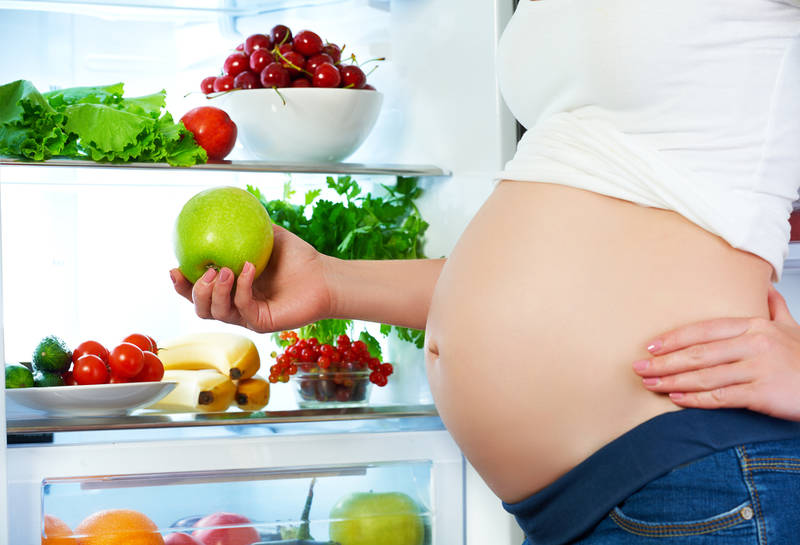
Vegetarianism has become an increasingly popular dietary choice in recent years. Many people aim to lead healthier lives by eliminating animal products from their diet. But how does vegetarianism affect the mother and baby during pregnancy? Is vegetarianism recommended during pregnancy? You can find out in the rest of my article.
Vegetarianism During Pregnancy
Vegetarianism is the name given to people who do not consume meat, fish, or poultry for various reasons. This dietary style, based on religious, moral, and nutritional reasons, is often questioned in many ways, particularly regarding its effects on both the mother and the baby during pregnancy. With careful and conscious planning, a vegetarian diet during pregnancy may not cause any health problems. However, the expectant mother should pay attention to certain points and continue her diet under the supervision of her doctor.
1. Protein
Many people think that protein sources are only found in meat and meat products, but this is completely a misconception. Vegetarians can obtain protein, one of the body's essential building blocks, from various food sources. Pregnant women who choose a vegetarian diet can meet their protein needs by consuming foods such as eggs, milk and dairy products, tofu, soy products, legumes, nuts, and grains without eating meat in their daily lives.
2. Iron
Iron, whose main sources are meat, fish, and poultry, is one of the essential minerals that must be consumed during pregnancy. Pregnant women are advised to consume at least 40 mg of iron daily. However, the absorption of iron from plant sources is lower than that from meat products. Vegetarian expectant mothers who wish to meet their daily iron needs can do so by consuming a balanced diet including foods such as kidney beans, black-eyed peas, cashews, flax seeds, lentils, oatmeal, dried black raisins, soy, cornflakes, sunflower seeds, chickpeas, tomato juice, molasses, thyme, and whole-wheat bread.
3. B12
Since plants do not provide sufficient levels of vitamin B12, expectant mothers can consume milk, dairy products, and eggs to meet their daily needs. Alternatively, they can take B12 supplements.
4. Omega 3
Omega-3 supplementation, which is crucial during pregnancy, requires extra attention in vegetarian diets. Pregnant women should supplement their daily diet with 500-1000 mg of Omega-3. Vegetarian expectant mothers can easily meet their daily Omega-3 needs by consuming foods such as soy, walnuts, pumpkin seeds, canola oil, kiwi, flax seeds, and purslane.
4. Calcium
Pregnant women are advised to consume 1200 mg of calcium per day. Failure to meet daily calcium requirements can lead to symptoms such as fetal growth restriction, cramps in the mother, and excessive fatigue during breastfeeding. To prevent this, vegetarian expectant mothers can consume calcium sources such as milk and dairy products, kale, cabbage, chard, spinach, radish, beet greens, soy milk, almond milk, and hazelnut milk.


 Turkish
  English