


As women age, their pelvic organs can change. Some women experience sagging in their genital area, which can create a feeling of heaviness, as if something is falling out of their vagina. The most common causes of this type of genital prolapse are pregnancy and childbirth, but it can become more bothersome for women as they age. However, genital prolapse can also occur in women who have never given birth. You can find information about the causes, symptoms, and treatment methods of genital prolapse in the rest of this article.
Causes and Symptoms of Genital Organ Prolapse
Genital organ prolapse It can occur for various reasons. The most common of these are pregnancy and childbirth, being overweight, menopause, lifting heavy objects, physically demanding work, constipation, chronic obstructive pulmonary diseases (such as asthma and bronchitis), neurological disorders, and surgery involving the pelvic organs.
When genital prolapse occurs, the following symptoms may appear:
- A feeling of heaviness and fullness in the vagina. , a feeling like something is falling out of the vagina
- Urinary incontinence, inability to urinate
- Inability to completely empty the bladder
- Urinary or gas leakage during sexual intercourse
- Pain during sexual intercourse
- Pain in the lower back
- Vaginal discharge and pain
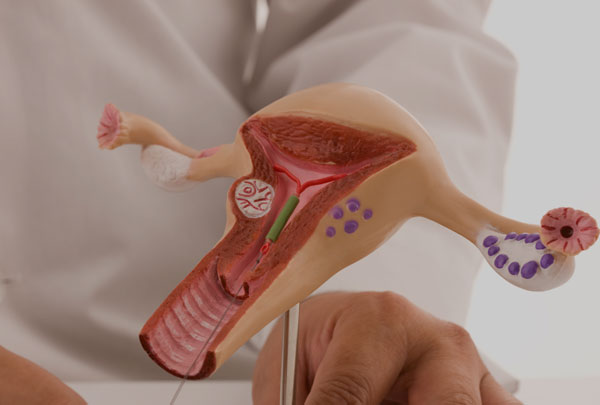
The most common types of genital prolapse are: Cystocele – bladder prolapse, Enterocele – vaginal vault prolapse – prolapse of the vagina and small intestine, Rectocele – rectal prolapse, and Uterine prolapse. Although these prolapses occur in different organs, they are usually seen together.
Diagnosis and Treatment of Genital Prolapse
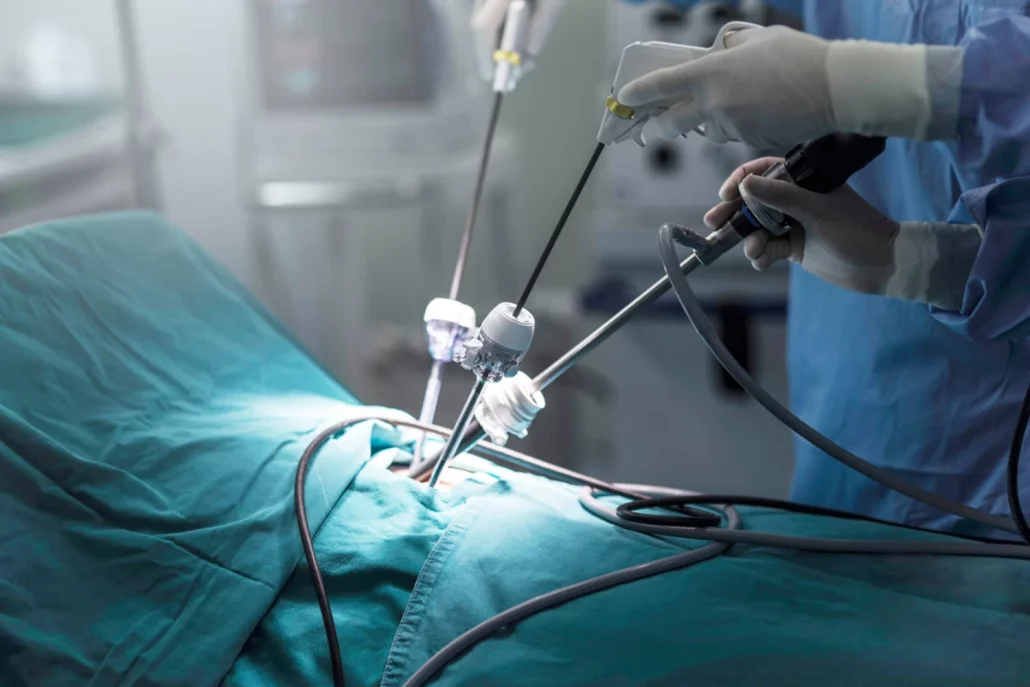
Genital organ prolapse, Genital prolapse is a difficult and quite significant condition to diagnose. To treat prolapse, the exact cause must be determined. This requires a medical history along with a vaginal and rectal examination. There is no general treatment for genital prolapse. Sometimes exercise, sometimes dietary changes, can help the patient recover. The main treatment method for genital prolapse is surgery. However, methods such as exercise, weight control, quitting smoking, dietary changes, and avoiding heavy lifting can be applied to the patient. In some cases, medication or the use of a device called a pessary may also be recommended. To prevent prolapse or support its treatment, it is sufficient to avoid factors that damage the pelvic floor.




 Turkish
  English