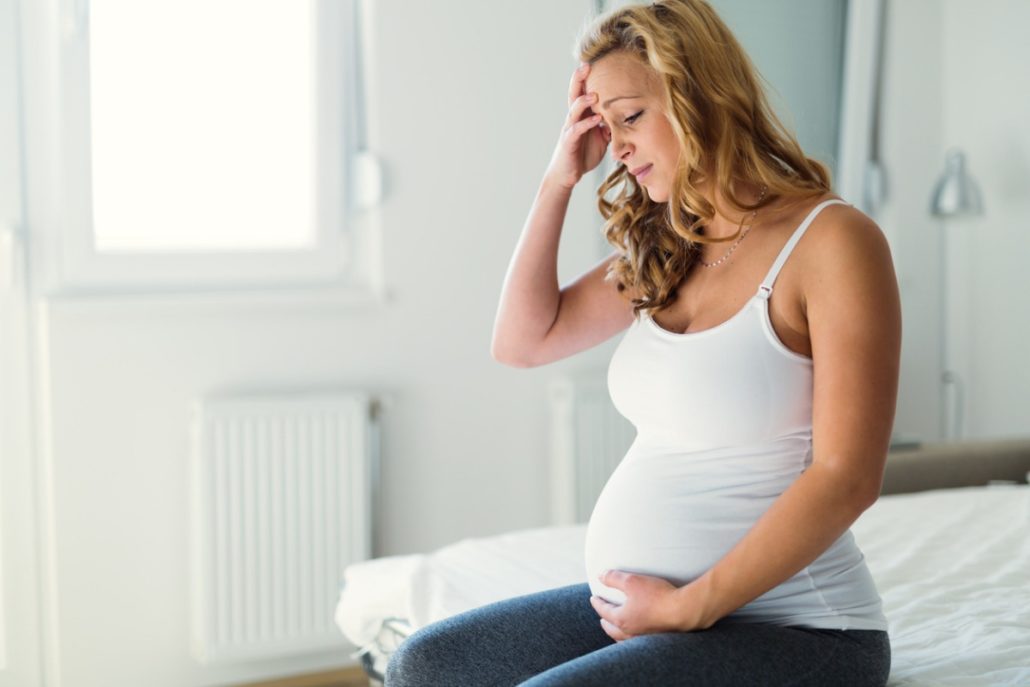


As pregnancy progresses, many expectant mothers may experience shortness of breath. Shortness of breath is a common problem for women during pregnancy. Especially in the last 3 months of pregnancy, the need to breathe may increase, and the expectant mother may feel like she is suffocating or that her breath is becoming shorter.
What causes shortness of breath during pregnancy?
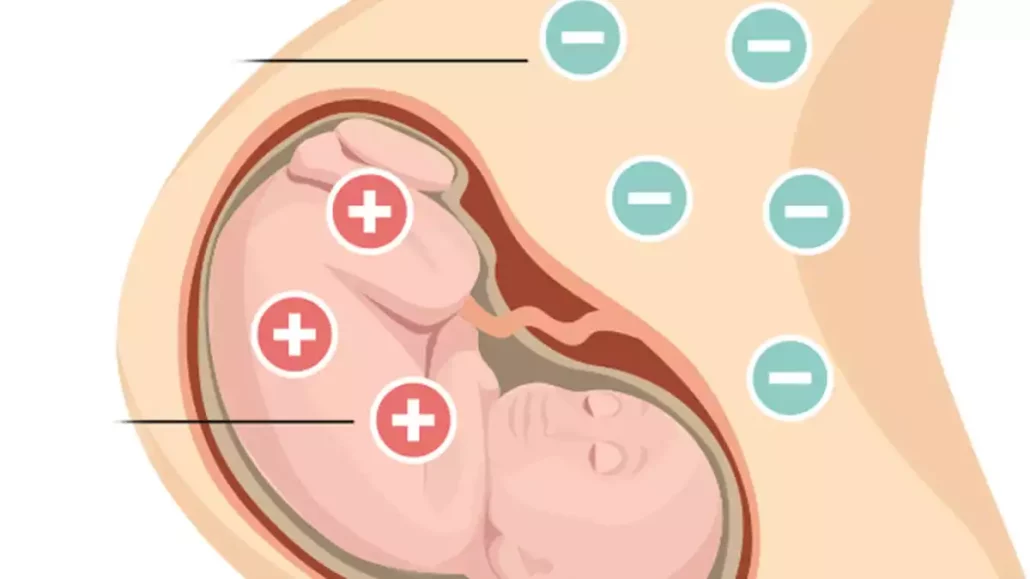
The main cause of shortness of breath during pregnancy is that the growing uterus puts pressure on the diaphragm muscle, which separates the abdominal and chest cavities, pushing it upwards. This requires the expectant mother to exert more effort to breathe.
Furthermore, during pregnancy, expectant mothers need more oxygen than usual. To adapt to this and meet their oxygen needs, they begin to breathe faster and more frequently. Increased hormone levels (especially progesterone) directly affect the lungs. These increases also stimulate the respiratory center in the brain, leading to an increase in the number of breaths taken per minute.
Sometimes, excessive weight gain, respiratory illnesses such as asthma in the expectant mother, multiple pregnancies, and iron deficiency can also lead to shortness of breath during pregnancy.
Tips for Reducing Shortness of Breath During Pregnancy
- To address iron deficiency, you can consume foods rich in iron.
- You can prevent your body from losing water by drinking plenty of water.
- Wearing loose and comfortable clothing can minimize the effects of shortness of breath.
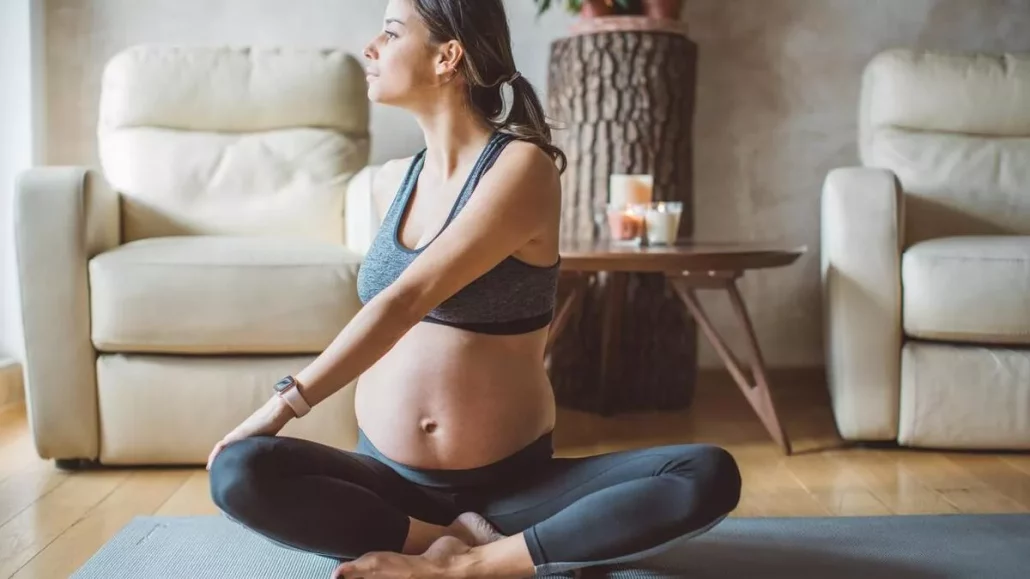
- You can help increase oxygen flow to your body by practicing breathing exercises frequently.
- You can improve your overall fitness and lung capacity by walking from the moment you start planning to conceive. Walking during the first three months of pregnancy, in particular, will help you get through the last three months more comfortably, as shortness of breath is more common during this period.
- If you smoke, you should quit and stay away from places where smoking takes place.
Is shortness of breath during pregnancy harmful to the baby?
A pregnant woman may sometimes become breathless while climbing stairs or during any physical activity. She may frequently experience shortness of breath. However, this is harmless for the baby. The baby obtains sufficient oxygen from the placenta.
If you have a known respiratory problem before pregnancy, or if you are experiencing additional problems such as severe palpitations, chest pain, or numbness in your hands and feet along with shortness of breath, I strongly recommend that you see your doctor and get their opinion.
Stay healthy…



 Turkish
  English