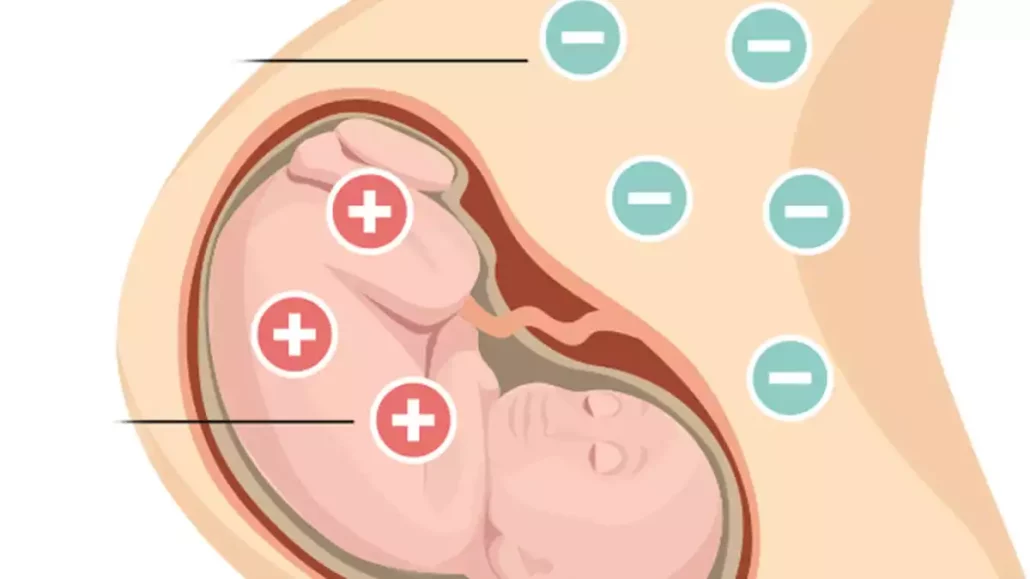



During pregnancy, a woman's body undergoes many different changes. From physical appearance to mental health, hormonal balance to behavioral changes, the expectant mother experiences a multitude of processes simultaneously. Excessive sleep or insomnia during pregnancy are also a result of these physical and mental changes.
Pregnancy and Sleep
Sleeping a lot during pregnancy is quite natural. This is due to progesterone, the main hormone of pregnancy. In addition to progesterone, the body becomes tired during the day because it is constantly trying to support the developing baby. Also, because the body is working harder than usual, it needs more rest. Therefore, different sleep problems may arise at different stages of pregnancy. For example, expectant mothers report difficulty falling asleep in the first weeks of pregnancy, while later they mention having a very intense desire to sleep. Sleep problems in the first weeks are usually caused by excitement, but as pregnancy progresses, physical discomforts such as nausea, vomiting, and dizziness will increase the desire to sleep.
Sleeping Too Much During Pregnancy
Sleeping a lot during pregnancy can sometimes be a way to overcome difficulties. This is because pregnancy-related complaints decrease with sleep, and this unconsciously creates a desire to sleep in the expectant mother. However, this is not the only reason for sleepiness during pregnancy. Especially in the first six months, all the nutrients and energy the baby needs for development are obtained from the mother's bloodstream. Therefore, if the mother is not getting enough balanced nutrition, the body begins to show deprivation symptoms, leading to weakness and drowsiness.
After the 6th month of pregnancy, the baby's physical growth causes the uterus to compress the internal organs. This can make it difficult to find the right and comfortable sleeping position. Therefore, many expectant mothers experience insomnia from the 6th month onwards. That's why we recommend sleeping on your left side, especially during the last three months of pregnancy, and using pillows to support your abdomen. Sleeping on your back can put pressure on the mother's large blood vessels, reducing blood flow to the baby. Therefore, sleeping on your left side is very important for the baby's nutrition.
If expectant mothers feel they need a lot of sleep, they can maintain a positive mood by following a regular and balanced diet along with pregnancy-appropriate exercise programs, thereby minimizing their need for sleep. If they have trouble sleeping, they can stop consuming caffeinated beverages and try to get used to sleeping in a comfortable bed, especially on their left side.
I wish you a restful and comfortable pregnancy free from sleep problems.






 Turkish
  English