

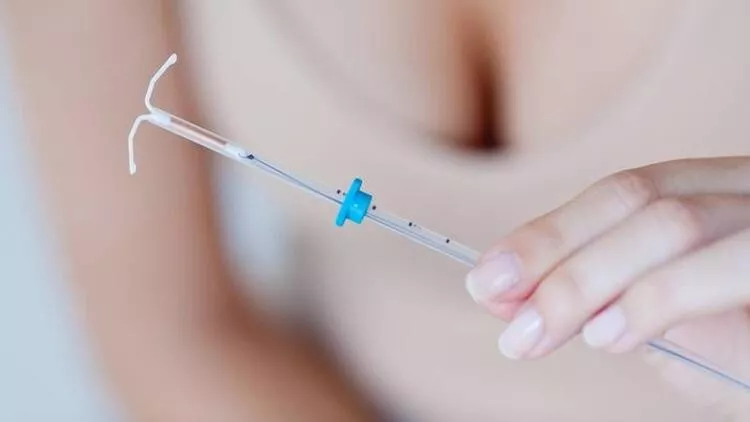
The intrauterine device (IUD), commonly known as a spiral, is used as a birth control method. IUDs, which prevent a fertilized egg from implanting in the uterus, are made of polyethylene (plastic). Designed to fit inside the uterus, these T-shaped devices have a rubber body surrounded by a copper wire or progesterone hormone. All IUDs have a string at the end for easy removal.
How does an IUD (intrauterine device) work?
Once an IUD (intrauterine device) is inserted into the uterus, it is perceived as a foreign object. This reaction, called a foreign body reaction, is when the body wages war against the foreign substance, attempting to eliminate its potential harmful effects. In doing so, cells gather in the area where the foreign object is located, creating inflammation that prevents the implantation of a fertilized egg in the uterus. Therefore, it can be inserted as an emergency contraceptive after unprotected intercourse to prevent pregnancy from implanting.
Who can get an IUD (intrauterine device) inserted?
Women who have not had pelvic inflammatory disease, gonorrhea, or chlamydia infection in the last 12 months, and who are not at high risk for sexually transmitted diseases, can have an IUD inserted. Additionally, breastfeeding mothers (40 days after delivery), women who have had at least one previous delivery, women without cervical lesions or menstrual irregularities, women who cannot use birth control pills or other hormonal methods for various reasons, and women seeking a highly effective and long-lasting birth control method can also have an IUD inserted.
How is an IUD inserted?
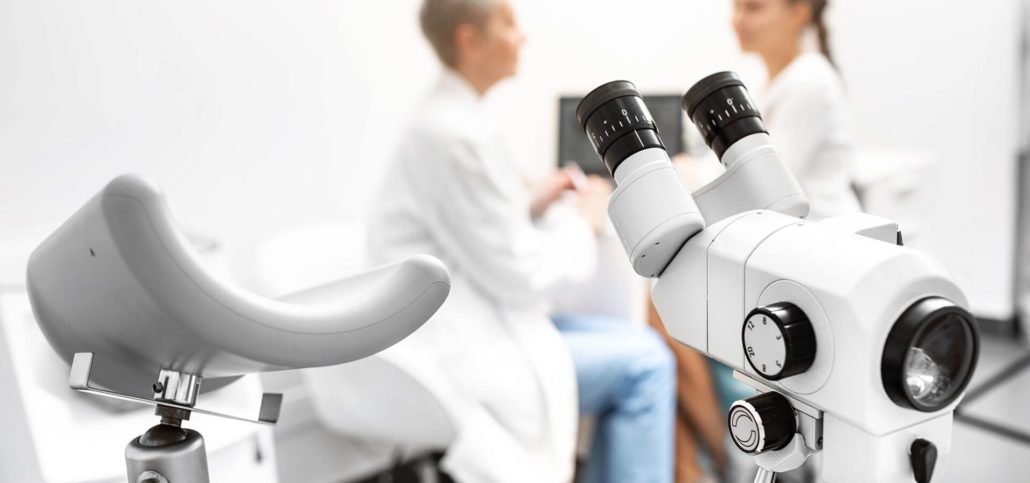
Before an IUD (intrauterine device) is inserted, the woman needs to have a gynecological examination during a period when she is not menstruating to determine if her uterus is suitable for an IUD. The IUD is inserted during the first few days of menstruation, as the cervix is slightly dilated during this time. It can also be inserted immediately after a miscarriage, abortion, or childbirth. IUD insertion is easy and performed with a special device; the patient does not experience much pain. However, it is still recommended that the patient take pain medication about half an hour before the procedure to reduce cramping during or after the insertion.




 Turkish
  English