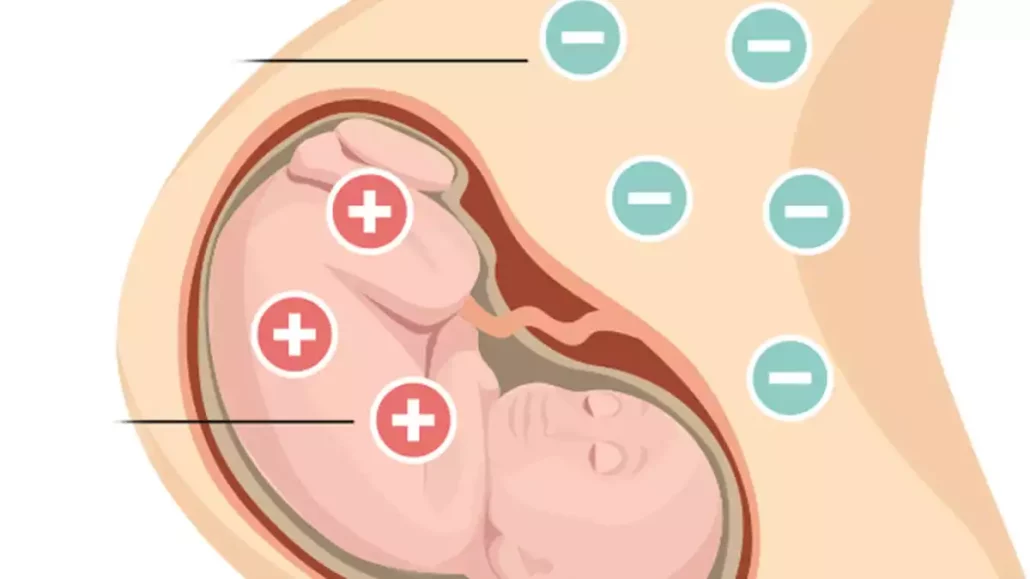



Because it's a common belief that cats cause various problems during pregnancy, leading to miscarriages or stillbirths, many cat or dog owners abandon their pets permanently or try to give them away temporarily when they learn they are pregnant. However, blaming cats is the last thing that should be done, especially in the case of toxoplasmosis, a disease thought to be transmitted from cats.
How is toxoplasmosis transmitted?
Toxoplasmosis infection is caused by a parasite called Toxoplasma gondii. This parasite can only reproduce in the intestines of domestic cats, with both male and female parasites mating. The resulting parasites are expelled from the cat's feces and infect other living things through the digestive system. In other words, the parasite must be ingested orally to be transmitted to other living things.
Cats also acquire this parasite when they eat raw food from an infected animal (such as a mouse). The parasites, expelled through feces, need to remain in the environment for 24 hours to become infectious. An infected cat will excrete the parasite in its feces for approximately 2-3 weeks, after which it develops immunity and will not contract toxoplasmosis again. The same is true for humans; once infected, a person will not contract the same infection again.
Street cats contract this infection at a very young age and develop immunity. Therefore, the likelihood of contracting it from larger street cats is low. The risk of infection is also very low in house cats that never leave the house, are fed only dry food, and do not consume raw meat. Therefore;
- If a person comes into contact with the feces of an infected animal and then puts their hand in their mouth without washing it,
- If someone eats the meat of an infected animal without cooking it thoroughly,
- Infection can occur if one eats food containing the parasite without washing it thoroughly.
Symptoms and Diagnosis
Toxoplasmosis infection generally has no very noticeable symptoms and is usually overcome like a mild cold. Symptoms disappear spontaneously within a few weeks to a few months. The presence of toxoplasmosis infection is detected in the blood by the detection of antibodies produced by the immune system against this parasite. In non-pregnant individuals, antibiotics are used as a treatment method, but in pregnant women, it is not possible to predict whether antibiotics will prevent harm to the baby. If serious sequelae are detected in the baby, termination of pregnancy may be considered.






 Turkish
  English