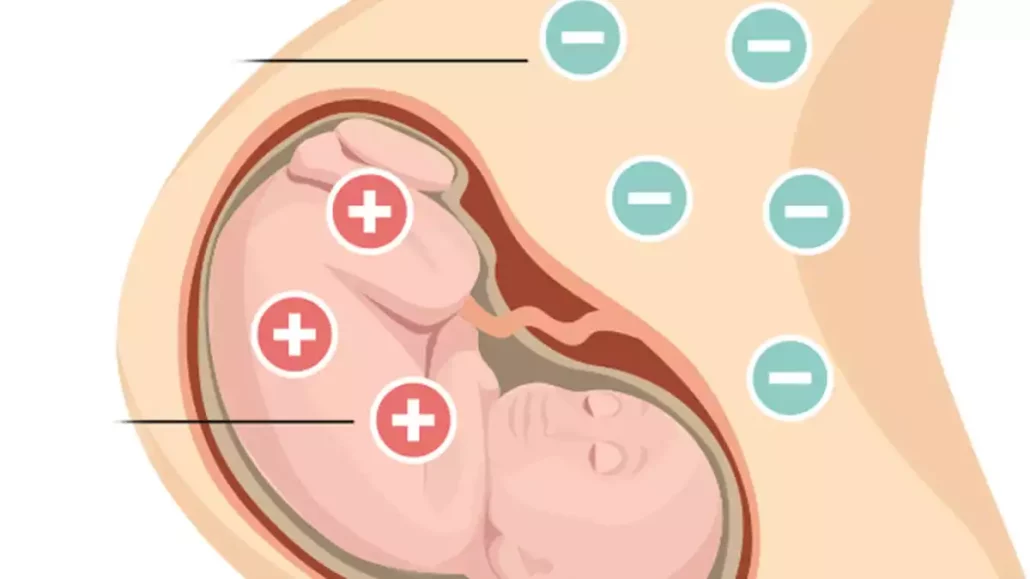



Eclampsia, a serious complication of preeclampsia, also known as pregnancy poisoning, is a condition based on seizures caused by high blood pressure during pregnancy. These seizures can lead to fainting, muscle spasms in the arms and legs, temporary loss of consciousness, severe body convulsions, and harmful brain activity. A serious condition that threatens the lives of both mother and baby, eclampsia, when it occurs during pregnancy, often requires immediate termination of the pregnancy.
When does eclampsia occur?
The vast majority of eclampsia attacks occur before birth and within the first 48 hours after delivery. During pregnancy, the disease typically appears after the 20th week of gestation. Although very rare, eclampsia attacks have also occurred before the 20th week of pregnancy or long after delivery (2-3 weeks later).
What are the symptoms of eclampsia?
Since eclampsia is a complication of preeclampsia, the symptoms can be similar. Swelling in the face and hands, headache, excessive weight gain, nausea and vomiting, and vision problems are common symptoms. However, the most common signs indicating that the expectant mother is experiencing eclampsia are as follows:
- Shifts,
- Loss of consciousness
- Trembling as if having an epileptic seizure
- Muscle pain
- Headache
- Pain in the upper right abdomen
What is the treatment for eclampsia?
If preeclampsia is diagnosed in an expectant mother before the 37th week of pregnancy, treatment options include bed rest, medication, or hospitalization. Anticonvulsant drugs are used to prevent seizures. Additionally, antihypertensive drugs should be used to lower blood pressure. Opening the airway is crucial, as it can be blocked during a seizure. Treatment is also given to improve the mother's liver and platelet function.
However, in cases of preeclampsia or eclampsia that occur during pregnancy, the definitive treatment is to urgently deliver the baby. Eclampsia during labor is difficult to diagnose because it presents with symptoms similar to stroke. A CT scan of the brain can determine the exact cause, and the condition is managed with treatments such as monitoring blood pressure to reduce the risk of seizures and lower blood pressure.






 Turkish
  English