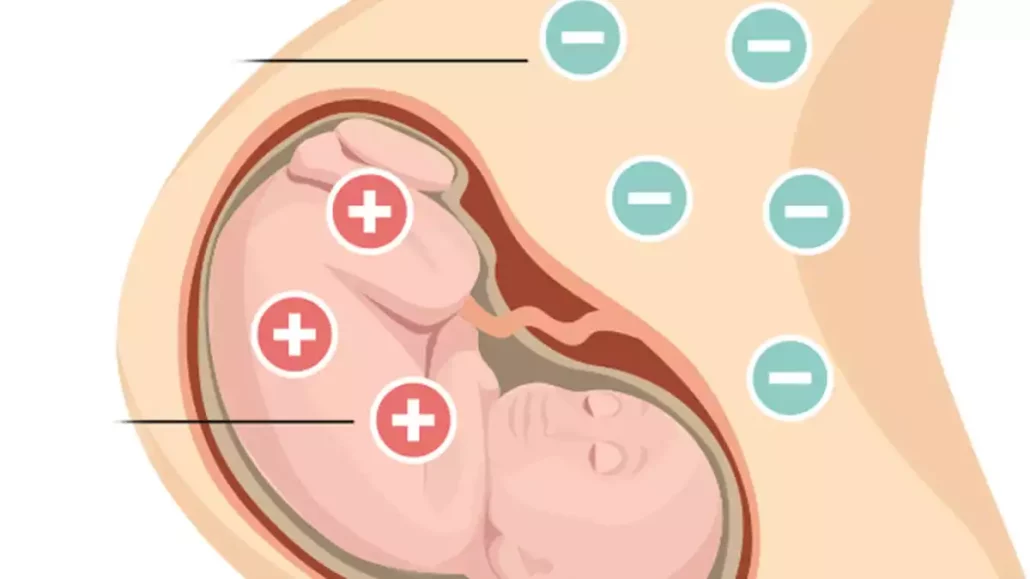



NST (nonstress test) is a simple method used to monitor the health of the baby. The NST, which monitors the baby's movements in the womb, its heart rate, and the variability of that rate, is usually performed after the 26th-28th week of pregnancy. It is called a nonstress test because the baby is not stressed at the time of the test; since there are no uterine contractions, it is considered a stress-free test.
How is an NST performed?
The NST (Non-Stress Test) is performed with the mother in a supine position. During the procedure, two different probes are attached to the mother's abdomen to measure fetal heart rate and contractions. The test, which lasts approximately 20-30 minutes, measures the baby's movement, heart rate, and heartbeat reactivity. Sometimes the baby may not move during the procedure. This is not a cause for alarm; it may be due to the baby being asleep. If the baby is asleep, a nurse will use a small buzzer to wake the baby and allow the test to continue.
Why is NST performed?
- If the expectant mother notices that the baby isn't moving as frequently as usual,
- If there are suspicions that the placenta is not functioning,
- If there is a high probability of fetal distress developing,
- If pregnancy is at risk for a different reason, an NST test may be performed.
The NST test is not only performed in high-risk pregnancies. It is generally done in addition to ultrasound during follow-up appointments after the 36th week of pregnancy. Furthermore, an NST is necessary if the expectant mother has conditions such as diabetes, kidney disease, heart disease, high blood pressure, twin or multiple pregnancy, a history of stillbirth, anemia, or low amniotic fluid levels.
From which week of pregnancy is NST (Non-Stress Test) performed?
The most reliable time for an NST (Non-Stress Test) is from the 34th week of pregnancy onwards. However, the test is usually started from the 28th week of pregnancy. The NST should be repeated at regular intervals from the 34th and 35th weeks, when uterine contractions are most intense, and the baby's heart rate and its variability should be monitored. A significant increase in contractions could indicate premature labor. Because the NST generally does not provide accurate results, it is not performed before the 28th week of pregnancy.






 Turkish
  English