


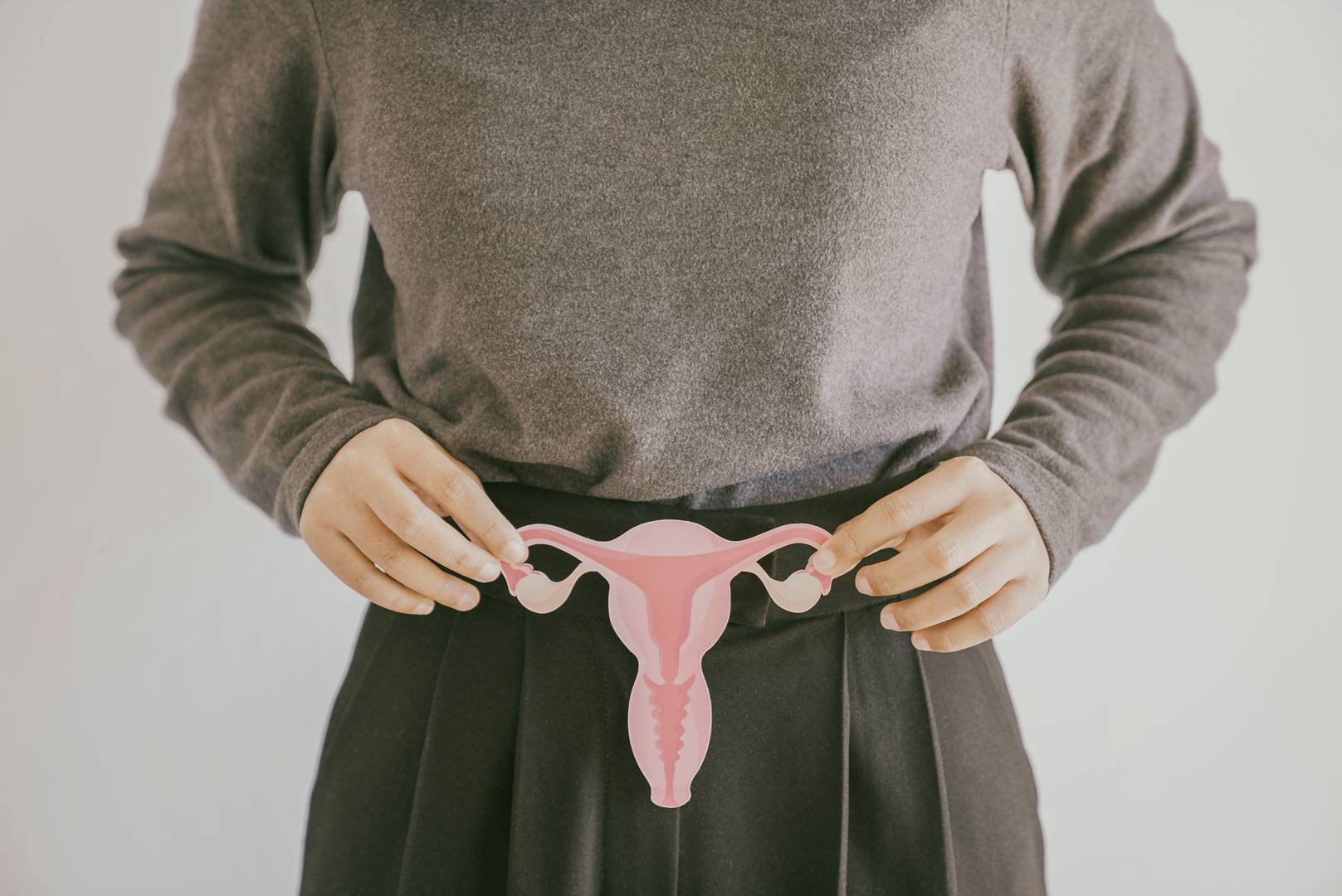
The clitoris, one of the most important aspects of female sexuality, is a male organ containing numerous nerve endings. Considered central to female sexuality because it enables orgasm, the clitoris is located between the upper junction of the labia minora and the clitoral hood. The most sensitive area of the female genitalia, the clitoris has no reproductive function; its sole function is sexual.
What is the clitoris? What are its characteristics?
The clitoris, an organ similar to the penis in men, consists of a body and a head. The head, which is more sensitive than the body, is located just below the mons pubis. It is situated midway between the upper parts of the labia majora and the pubic bones. A "Y"-shaped erectile organ, the clitoris is a small, blister-like structure.
A normal-sized clitoris contains numerous nerve fibers and blood vessels. Its size varies from woman to woman, generally ranging from 3cm to 7cm. A larger clitoris is often associated with testosterone. Particularly during pregnancy, hormonal fluctuations can cause the clitoris to become permanently larger.
Another characteristic of the clitoris is its erection after sexual stimulation. Just like a man's penis, the clitoris hardens, expands, swells, and its head becomes visible when stimulated. During this phase, a woman experiences a feeling of fullness and release within the pelvis. The clitoris, which enables female orgasm, exists solely for the purpose of pleasure and stimulation. Having no function other than sexual pleasure, the clitoris has no connection to pregnancy, urination, or menstruation.






 Turkish
  English