

PMS, also known as Premenstrual Syndrome or premenstrual tension, is a condition that affects almost all menstruating women to varying degrees. This process, caused by fluctuating hormone levels during a woman's menstrual cycle, doesn't significantly impact daily life when experienced mildly. However, in some cases, PMS can be quite severe and negatively affect a person's daily life.
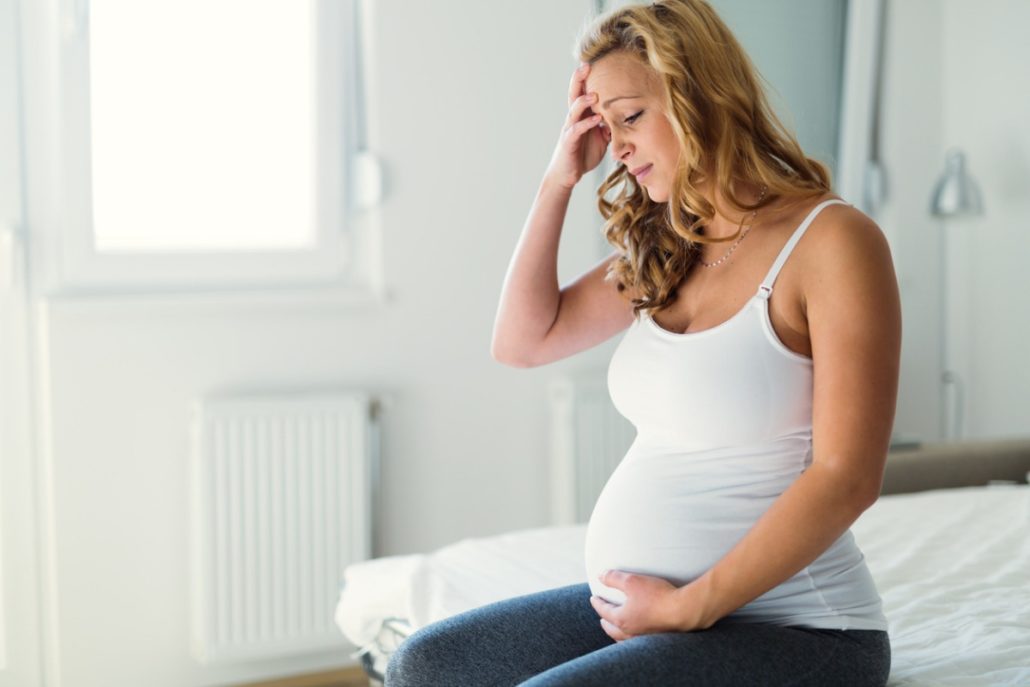
Premenstrual tension syndrome (PMS), which manifests with different symptoms in every woman, can also vary in severity from person to person or from month to month. Common symptoms in women during this period include irritability, breast tenderness, headaches, fatigue and exhaustion, and acne breakouts. In severe cases, it can lead to more serious symptoms, including depression.
You can try a few simple methods to cope with PMS and get through the process more comfortably and without stress. Here are some things I can recommend. Ways to cope with PMS;
1. Calcium supplementation can reduce mild symptoms. You can also alleviate the symptoms of the syndrome by consuming calcium-rich foods such as milk and dairy products.
2. Stress will also worsen your symptoms. I recommend that you stay away from stress and avoid work or events that cause you stress.
3. To help reduce swelling in your body during this period, you can reduce your salt intake.
4. Eating a balanced diet helps manage PMS. Consuming plenty of fresh fruits and vegetables, grains, legumes, and fish, and avoiding harmful habits like sugar, unhealthy fats, caffeine, and tobacco will help you get through this period more comfortably.
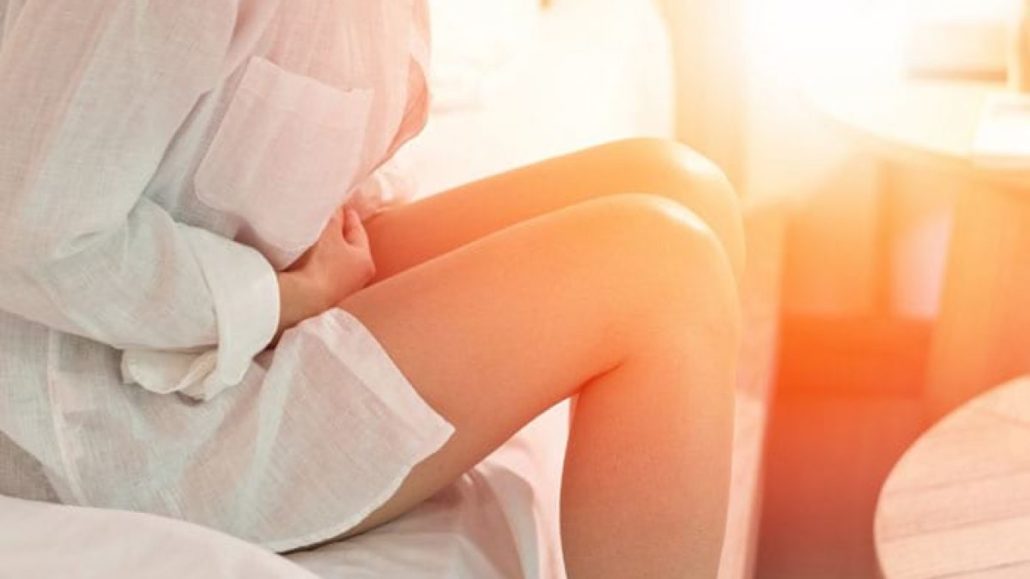
5. Drinking water is very effective in relieving menstrual pain. It reduces bloating and alleviates pain in the groin and lower back. You should make drinking water a habit throughout your life, including during your period.
6. When you exercise, your body releases endorphins. Endorphins reduce tension and pain that occur during this period. They improve circulation and prevent bloating. They also alleviate nipple sensitivity. Therefore, you should not neglect exercise.
7. I also recommend using dietary supplements such as vitamin B6, vitamin E, magnesium, and potassium. These supplements will help alleviate PMS symptoms.
Despite all of this, if you are still unable to cope with PMS, you can consult your doctor and receive medical treatment to manage it.
By taking all these suggestions into account, you can have a more comfortable and happier menstrual period.



 Turkish
  English