

One of the most confusing issues for expectant mothers during pregnancy is ultrasound. While seeing the baby in the womb and watching its movements is very enjoyable and exciting, the question of whether ultrasound has any harmful effects on a developing baby is a subject of research. In this article, we will answer questions such as how safe ultrasonography is and whether it harms the baby.
Is ultrasound harmful during pregnancy?
Ultrasonography is considered a safe method for monitoring and evaluating the fetus. Used on pregnant women for approximately 40 years, ultrasound is one of the important tools used in obstetrics. Because ultrasound does not use X-rays, theoretically, teratogenic effects associated with radiation are not expected. Therefore, undergoing ultrasound during pregnancy is not among the expected effects leading to developmental defects in the baby.
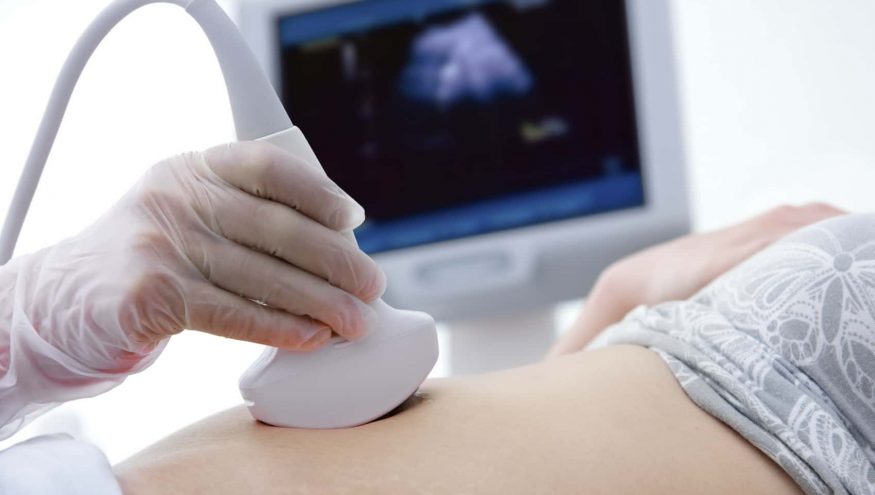
In ultrasound, an imaging technique that uses sound waves (mechanical energy), sound waves are absorbed or reflected by the tissues they reach. This absorption or reflection results in the conversion of mechanical energy into heat energy. This can lead to a local increase in tissue temperature. Prolonged exposure to high doses of ultrasound energy causes an increase in body temperature. This increase in temperature is directly proportional to the power and duration of the applied ultrasonic waves.
Another potential risk of ultrasound is cavitation. Cavitation, which can be defined as the formation of temporary or permanent bubbles within the tissue, can cause bleeding, damage, and tissue loss.
In light of all this, when the effects of ultrasound on the fetus are examined, there is no data indicating that ultrasound causes cavitation. Ultrasound is considered safe in terms of cavitation risk. When the thermal effect of ultrasound is examined, it is thought that a temperature increase exceeding 4°C and the person remaining in the ultrasound room at this level for more than 5 minutes could have negative effects. However, studies have shown that ultrasounds performed on expectant mothers do not cause a temperature increase at a level that could negatively affect the fetus. Therefore, ultrasound during pregnancy is considered safe from a thermal perspective as well.
Based on all these findings and research, ultrasound examinations during pregnancy are currently considered safe. However, I strongly urge that ultrasounds only be performed and interpreted by experienced and competent professionals when absolutely necessary.






 Turkish
  English