


Pregnancy is one of the most sacred periods in a woman's life. However, for this process to proceed correctly and healthily, the expectant mother must pay attention to certain things to protect both her own and the baby's health. Proper and balanced nutrition is the most important of these. For the baby to grow and develop correctly during pregnancy, the mother needs to prepare her nutritional plan with more care than usual. So... nutrition during pregnancy How should it be? Nutrition recommendations during pregnancy what?
Nutrition Tips During Pregnancy
1. Diet During Pregnancy
Diet is one of the most important things to pay attention to during pregnancy. Diets undertaken solely to avoid weight gain can negatively affect the baby's development and harm the mother's health. This is because the baby is nourished by what the mother consumes from the moment it is formed. Avoiding diets that are not under expert supervision and following incorrect and severe diets is extremely harmful during this period.
2. Frequent, Multiple Meals
During pregnancy, one of the recommended dietary approaches is to avoid skipping meals and to increase the number of meals (not portion sizes) by eating more frequently. The aim here is to prevent fluctuations in blood sugar levels by eating frequently. Additionally, eating small, frequent portions will boost your metabolism and prevent food from being stored as fat. Another benefit of eating small portions in more frequent meals is that it reduces indigestion that can occur with an overly full stomach.
3. Eating a Balanced Diet
One common misconception about pregnancy is the idea of "eating for two." As long as the expectant mother eats a sufficient and balanced diet, she can comfortably reach the 20th week of pregnancy without needing any additional energy supplements. The baby doesn't grow solely based on the mother's weight gain, so unnecessary and excessive eating can lead to problems like diabetes and high blood pressure during pregnancy.
4. Eating Right
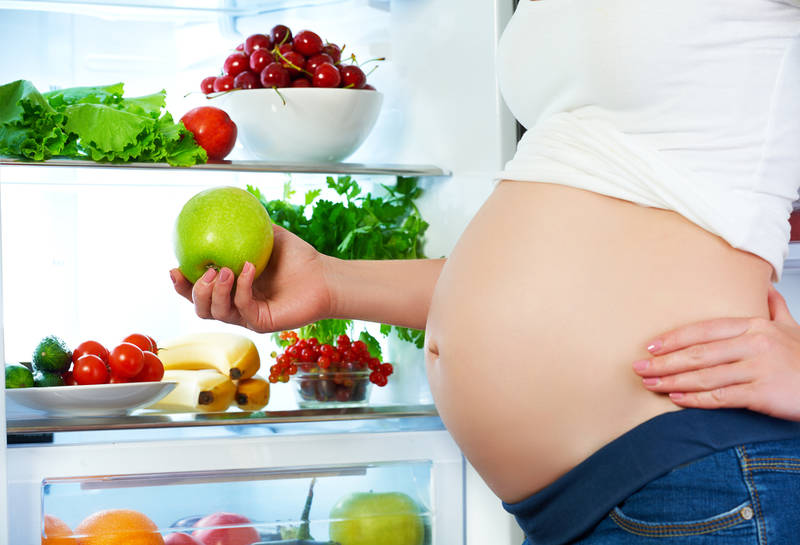
During pregnancy, it is important to avoid processed and sugary foods and to limit pastries as much as possible. Foods containing additives should either not be consumed at all or should be consumed in minimal amounts. Protein sources (milk, dairy products, eggs, etc.), which are crucial for the baby's development, should be consumed abundantly, salt intake should be reduced, plenty of water should be drunk to protect kidney and intestinal health, and caffeinated beverages should be limited to 1-2 glasses per day. Omega-3 rich foods should be consumed 3 times a week, nuts such as walnuts and almonds, and beneficial herbal teas such as ginger (in moderation) should be included in the diet, and a diet rich in folic acid should be followed. The daily diet should include food groups consisting of vegetables and fruits, grains, milk and dairy products, meat, and legumes, and at least 2 liters of water should be consumed daily.




 Turkish
  English