

Many of us can't start our day without coffee or tea when we wake up in the morning. Caffeine, when consumed in sufficient and balanced amounts daily, is actually quite beneficial. Besides its metabolism-boosting effect, its positive effects on liver diseases and its ability to improve memory consolidation are just a few of caffeine's benefits. But how beneficial is caffeine during pregnancy? Caffeine during pregnancy Should it be consumed?
Pregnancy and Caffeine Consumption
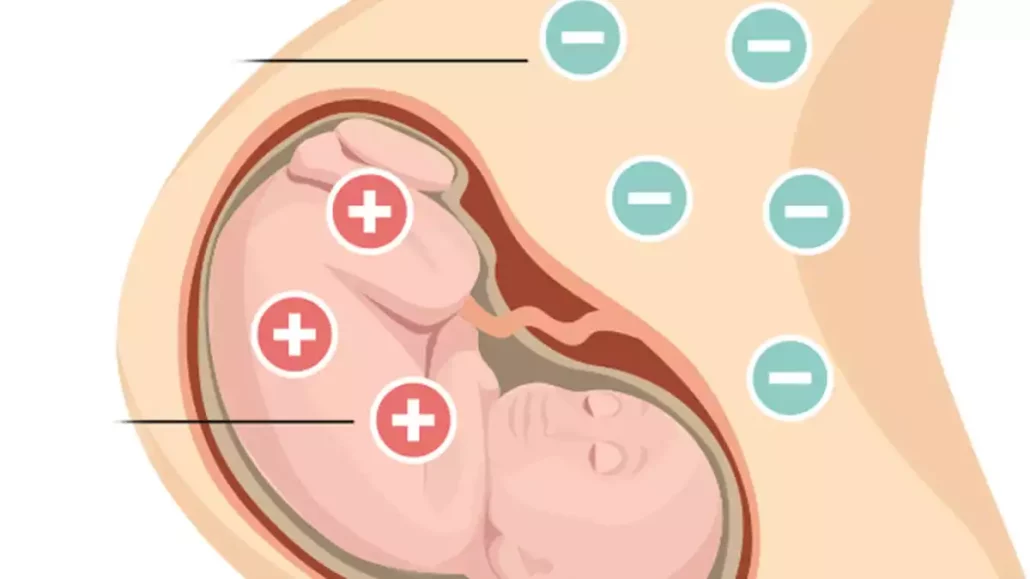
Caffeine, obtained from many different beverages or foods such as tea, coffee, and cola, is also unknowingly consumed during pregnancy through these types of foods. However, caffeine, especially when consumed through beverages, enters the body quickly and reaches the baby via the placenta. The enzymes that break down caffeine in a healthy person are not found in the baby and placenta. If you consume 200 mg of caffeine, this reduces blood flow in the placenta, which sends blood to the baby. With the reduced blood flow, caffeine reaches the baby. Since caffeine cannot be broken down by the baby, the caffeine continues to circulate in the baby's blood even 100 hours after consumption.
Studies indicate that pregnant women who consume high amounts of caffeine (more than 6 cups of coffee or tea a day) have a higher risk of miscarriage. While moderate caffeine intake may not cause palpitations or similar problems in the mother, it can significantly increase the baby's respiratory and heart rate.
Another harmful effect of excessive caffeine consumption, similar to alcohol consumption, is that it can cause developmental delays in the baby. In fact, caffeine consumed along with alcohol or cigarettes exacerbates this negative effect. If the common addiction to tea and cigarettes in our society continues during pregnancy, it can create an environment that negatively impacts the baby's development.
The body's need for iron increases during pregnancy. When caffeine is consumed frequently during pregnancy, it significantly reduces iron absorption, specifically . This can increase anemia and negatively affect the baby's development.
Considering all of this, it's very important to pay attention to caffeine consumption during pregnancy. If you are a coffee addict, I recommend consuming decaffeinated coffee during pregnancy. If you cannot drink decaffeinated coffee, limiting your daily caffeine intake to no more than 2 large cups will be better for the health of both you and your baby. Excessive coffee consumption can have destructive effects and endanger your baby's health. Taking all of this into account, you can limit your coffee or tea consumption to no more than 2-3 cups a day throughout your pregnancy. This will be an ideal measure to protect both your health and your baby's development.



 Turkish
  English