

Stress during pregnancy is a significant factor that jeopardizes the health of both the mother and the baby. While pregnancy is an exciting and enjoyable process for some expectant mothers, others may experience it as a more stressful, anxious, fearful, and even depressed period. However, stress during pregnancy is quite dangerous for the development of both the mother and the baby. Stress can increase feelings of anxiety during pregnancy, reducing the mother's sleep quality and appetite, and negatively affecting the baby's developmental processes, such as the brain and nervous system.
What are the effects of stress during pregnancy?
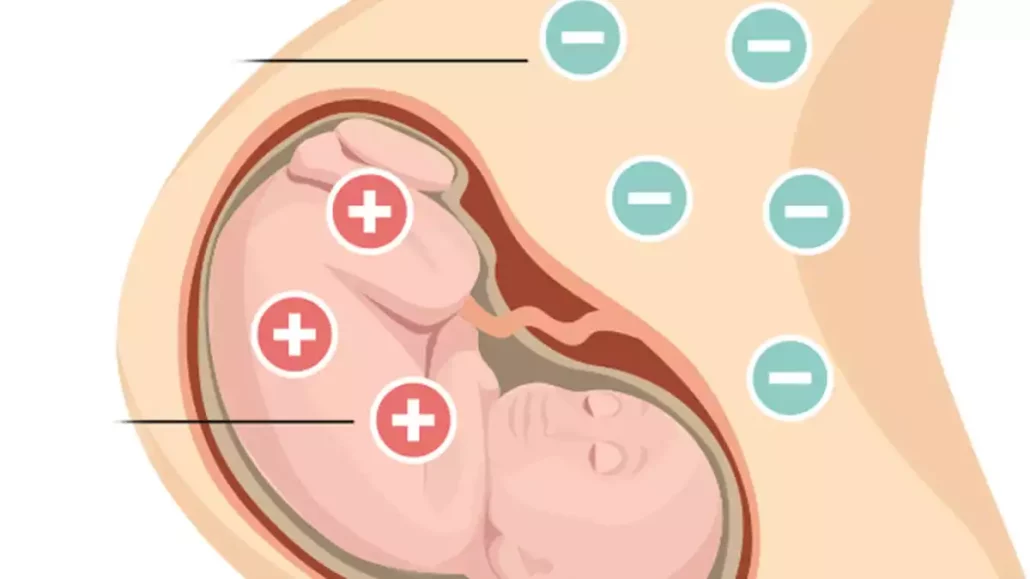
Stress during pregnancyWhile the exact causes of stress cannot be definitively answered, it is a known fact that stress triggers certain disorders. For example, adrenaline and cortisol hormones, which are released into the bloodstream from the 24th week of pregnancy, can pass to the baby and negatively affect its emotional state. Stress experienced during the second trimester, a period crucial for brain development, is extremely harmful to the baby's nervous system. Furthermore, some studies suggest that babies exposed to stress, anxiety, and worry during pregnancy tend to have less communication with their mothers and experience more feeding and sleep problems.
It is also known that intense stress during pregnancy can cause miscarriage. Similarly, stress can lead to low birth weight babies. In addition to all this, stress can raise blood pressure and cause various complications such as vaginal bleeding.
What are some things that help with stress during pregnancy?
Relationship problems during pregnancy, the presence of twins or triplets, a history of infant loss, economic difficulties, and teenage pregnancy are all factors that can lead to stress during pregnancy. To prevent stress during pregnancy, it is essential to first identify the sources of stress and consider what can be improved. Talking about feelings and emotions with a partner or close friends, going for walks, and regular exercise are also factors that reduce stress. Meditation and relaxation techniques, warm baths, quality sleep, and healthy eating also help reduce stress during pregnancy. In addition to all these, psychological support is extremely important in combating stress during pregnancy. Stress therapies help reduce stress-related difficulties during pregnancy and contribute to a healthier pregnancy experience for the expectant mother. a stressful pregnancy If you are going through this process, you can seek support from a psychologist or psychiatrist.






 Turkish
  English