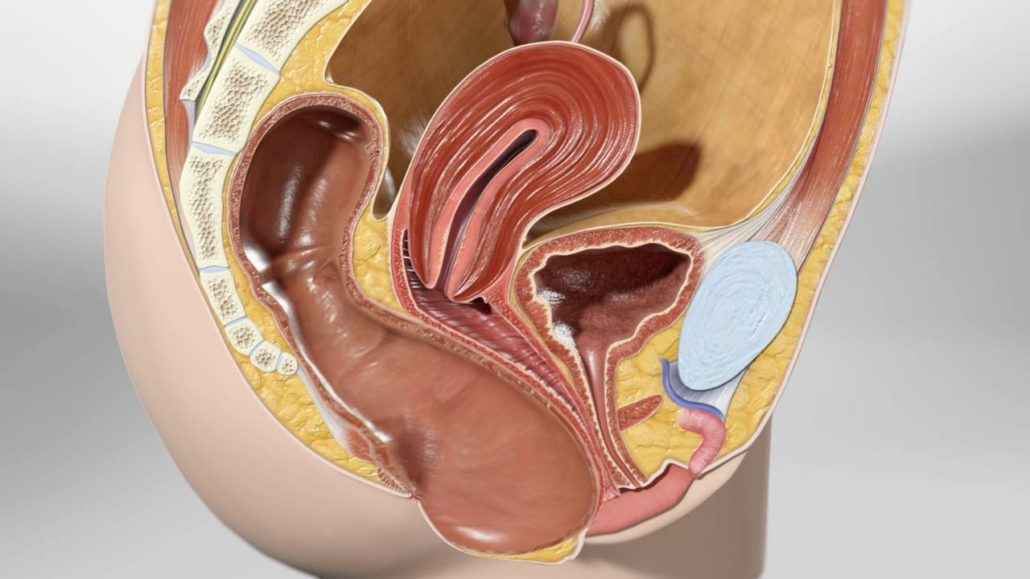



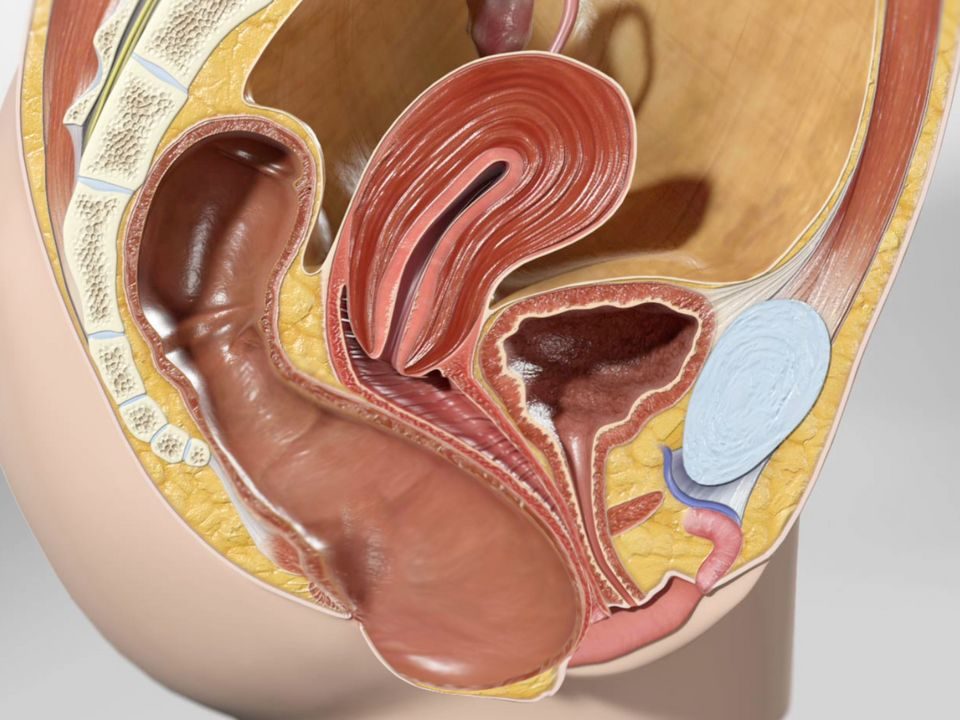
Cystocele, also known as bladder prolapse, occurs when the supporting tissue between the vaginal wall and the bladder weakens and stretches. This weakened and stretched tissue causes the bladder to press against the vagina. Bladder prolapse, which can also be defined as the sagging of the bladder or urethra into and out of the vagina, can occur for various reasons and must be taken seriously and treated.
Causes of Bladder Prolapse
A woman's pelvic floor is made up of ligaments, tissues, and muscles that support the bladder and pelvic organs. For various reasons, these muscles, ligaments, and tissues can weaken, causing the bladder to shift lower than normal and protrude into the vagina. Common causes of urinary prolapse include pregnancy, vaginal delivery and related trauma, obesity, prolonged heavy lifting, chronic cough or bronchitis, constipation, and straining.
Symptoms of Bladder Prolapse
- A feeling of pressure in the pelvic and vaginal area.
- Frequent urge to urinate
- Urinary incontinence during laughing, coughing, and sneezing.
- The feeling that the bladder is not completely empty after urinating.
- Urinary incontinence during sexual intercourse
- Pain during sexual intercourse
- Recurrent urinary tract infections
- A mass protruding from the vagina and being visible.
Diagnosis and Treatment of Bladder Prolapse
Bladder prolapse is usually a condition that can be noticed externally. However, in some cases, bladder prolapse can be found in women who have no complaints. In women experiencing the symptoms listed above, the prolapse will be easily detected during a gynecological examination. If there are bladder-related complaints, in addition to a gynecological examination, a complete urinalysis, urine culture, and kidney function tests may also be requested; however, the definitive diagnosis of the condition can only be made with a urogynecological examination.
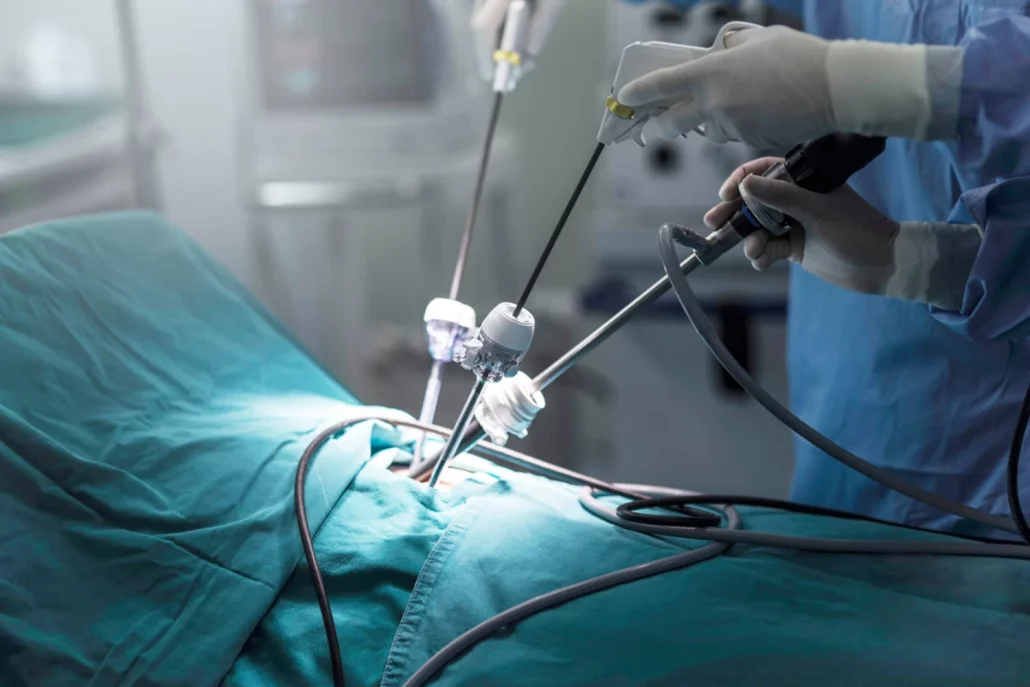
Treatment for bladder prolapse can vary depending on factors such as age, the woman's health status, and whether or not she wishes to become pregnant. If the prolapse is mild, treatments that would prevent its progression and laser therapy are generally not recommended. Instead, exercises and care that strengthen the pelvic floor muscles are suggested. If these measures are insufficient in treating bladder prolapse, laser treatment may be applied. If laser treatment is ineffective, cystocele surgery may be necessary. For patients who cannot tolerate surgery, a vaginal pessary can be inserted.


 Turkish
  English