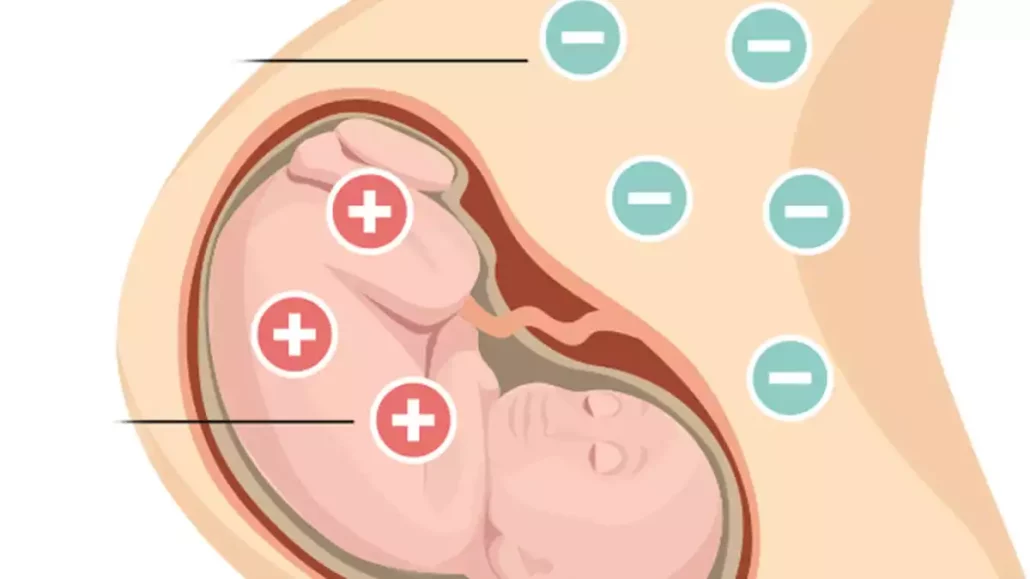



Ectopic pregnancy occurs when a fertilized egg implants outside the uterus instead of inside it. Most commonly seen in the fallopian tubes, ectopic pregnancies can also occur in the ovaries, abdominal cavity, or cervix.
How does ectopic pregnancy occur?
Normally, a fertilized egg travels through the fallopian tubes and implants in the uterus. If these tubes are damaged or blocked for various reasons, the fertilized egg cannot travel further and reach the uterus. It attaches itself where it is and begins to develop. However, because the fallopian tubes do not have enough space for the baby to grow and develop, the pregnancy does not progress normally. If an ectopic pregnancy goes unnoticed, the embryo can grow in an inappropriate location, causing excessive stretching of the fallopian tubes, resulting in rupture or tearing of blood vessels. This event can cause severe damage to the tubes, leading to abdominal pain and excessive bleeding, which can be fatal for the expectant mother.
Who is more likely to get ectopic pregnancy?
- In people who have previously experienced an ectopic pregnancy,
- In people whose tubes are sticky,
- In smokers,
- In women over 35 who become pregnant,
- In people who have had salpingitis (PID),
- In patients with ovarian cysts and fibroids,
- In those who have had multiple abortions,
- In patients undergoing infertility treatment,
- Individuals with congenital problems in their fallopian tubes have a higher risk of developing ectopic pregnancy.
Symptoms of Ectopic Pregnancy
The symptoms of an ectopic pregnancy are similar to those of an early pregnancy. Missed periods, nausea, and a positive pregnancy test are all symptoms of a normal pregnancy, making it difficult to detect. However, over time, symptoms such as intermittent pain in the abdomen, pelvis, shoulder, or neck (which can vary in intensity), abnormal vaginal bleeding, weakness, dizziness, and fainting may appear. At this stage, the ectopic pregnancy may have ruptured the fallopian tube, initiating internal bleeding, which can be life-threatening.
An ectopic pregnancy is definitively diagnosed by observing the gestational sac and fetus elsewhere than where they should be inside the uterus. However, this can sometimes be difficult and time-consuming. Serial pregnancy tests, transvaginal ultrasound, and diagnostic laparoscopy may be performed on the expectant mother for diagnosis.
How is ectopic pregnancy treated?
Once an ectopic pregnancy occurs, it is unfortunately impossible for the baby to reach its proper place in the uterus. There are three methods of treating ectopic pregnancy. The first is the wait-and-see method. In this method, the body absorbs the ectopic pregnancy material on its own, and no intervention is necessary. The other method is the intramuscular injection of the drug Methotrexate. If these two methods fail, or if there is a rupture and internal bleeding, surgery may be required. Laparoscopy is preferred for surgery if the appropriate conditions are met.
In summary, ectopic pregnancy is a serious, life-threatening condition for the mother. If you experience abdominal pain and vaginal bleeding along with a missed period, you should contact your doctor.
I wish you a healthy pregnancy, where the pregnancy is developing where it should…






 Turkish
  English