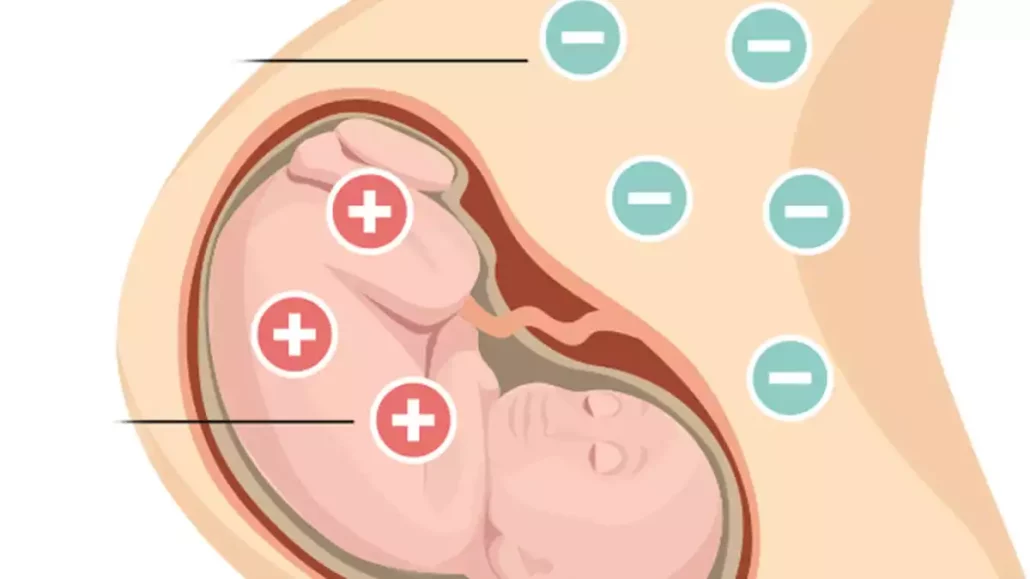


Multiple pregnancies, which sometimes cause fear and sometimes extra joy among couples, are situations where there are more than two pregnancies. Especially in recent years, the increased use of infertility treatments and the medications used in these treatments, along with other advanced reproductive techniques, has led to a significant increase in multiple pregnancies. So, what are multiple pregnancies? How do they occur, and are there any risks? Let's examine this together.
What is Multiple Pregnancy? How Does it Occur?
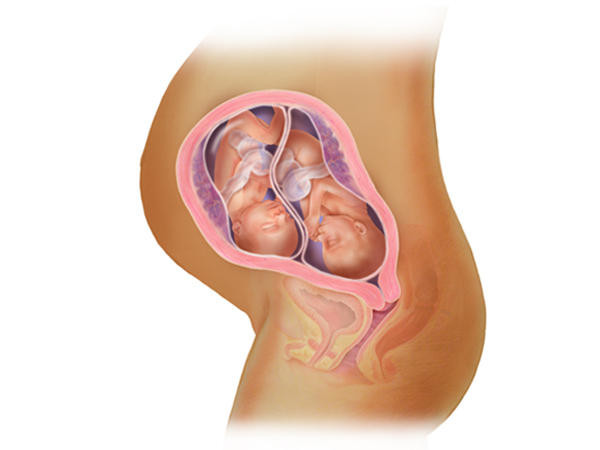 The physiological changes that normally occur in a mother's body are more exaggerated in multiple pregnancies. While these changes sometimes proceed naturally, they can also pose risks for both mother and baby.
The most common type of multiple pregnancy is twin pregnancy. Twins are divided into two types: identical (monozygotic) and fraternal (dizygotic). Dizygotic twins are not actually genetically twins, but siblings with no age difference between them. These siblings are formed when multiple egg cells are released during the menstrual cycle, similar to infertility treatment, and these cells are fertilized by multiple sperm. Monozygotic twins, on the other hand, are formed when a fertilized egg splits into two.
• If division occurs within the first 72 hours after fertilization, there will be two fetuses, two amniotic membranes, and two placentas (diamniotic, dichorionic).
• If the division occurs between days 4-8, there will be two babies, two amniotic fluids, and one placenta. .
• If the division occurs on day 8, there will be two babies, a single amniotic sac, and a single placenta.
• If divisions occur after the 8th day, conjoined twins develop (Siamese twins).
In triplet or multiple pregnancies, the mechanism unfolds in the same way. The fertilized egg first divides into two, then one of the new embryos divides again, and in this way triplets, quadruplets, etc., can be formed.
Increased Risks in Multiple Pregnancies
 • Premature birth is more common.
• The risk of miscarriage is high.
• Nausea is excessive.
• Placental anomalies are more frequent.
• Cerebral palsy is more common in infants.
• Vanishing twin syndrome may occur.
• Twin-to-twin transfusion syndrome may occur.
• The mother's nutritional needs are higher than in singleton pregnancies.
Multiple pregnancies are generally classified as high-risk pregnancies. Therefore, they require closer monitoring. Both the mother and the babies are at greater risk, especially in pregnancies with more than two babies. Multiple pregnancies do not prevent vaginal delivery. However, cesarean section is more common in multiple pregnancies. The most important factor in determining the delivery method is the position of the babies. It is best to discuss the appropriate delivery method with your doctor.
I wish you a healthy, risk-free pregnancy.






 Turkish
  English