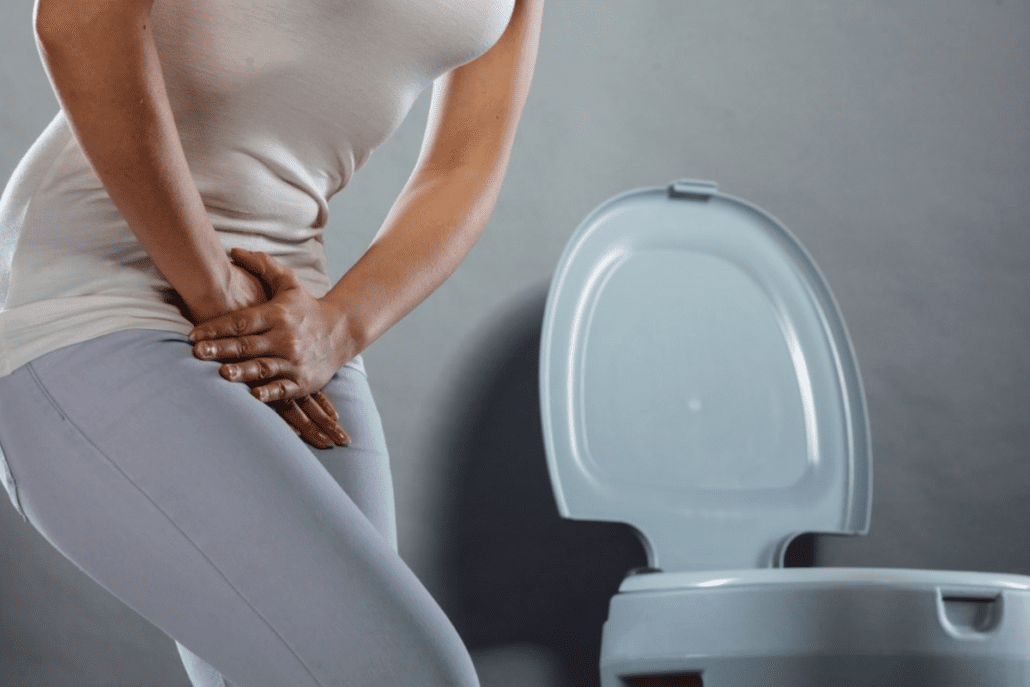


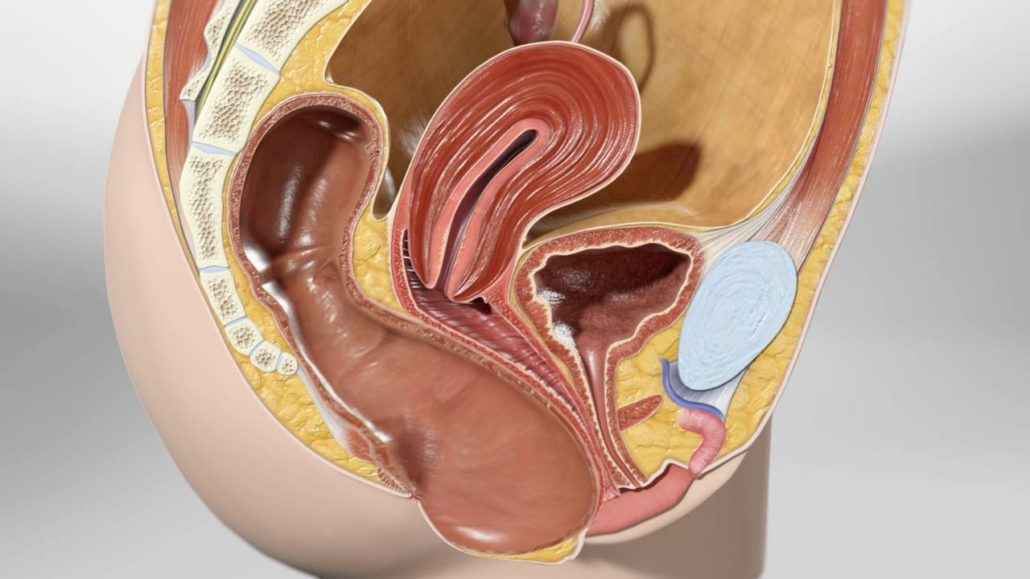
Rectocele is a condition in which the last part of the large intestine, called the rectum, herniates into the vagina. The rectum forms a bulge towards the vagina, and this bulge becomes more prominent during straining while defecating. Rectocele, which is more common in women, is a condition that should be taken seriously.
How does rectocele develop? What are the causes?
Pregnancy and childbirth are among the most important causes of rectocele. Factors such as having multiple births, prolonged and difficult deliveries, and the use of forceps during childbirth can trigger rectocele. Rectocele can rarely occur in women who have never given birth or as a result of a hysterectomy. Another cause of rectocele is pressure on the pelvic floor. Chronic constipation and straining, chronic cough or bronchitis, frequent heavy lifting, being overweight, and sitting on the toilet for long periods can lead to weakening of the pelvic floor muscles, causing rectocele development. Age and genetic factors are also among the causes of rectocele.
Symptoms of Rectocele
- Pain during sexual intercourse
- A feeling of a lump inside the vagina.
- Feeling like your vagina is going to sag outwards
- Constant straining during defecation, passing stool in chunks.
- Feeling of blockage while defecating
- Incomplete bowel emptying
- Pressure in the pelvic region
- Pain
- A feeling of unease.
How is rectocele diagnosed and treated?
Rectocele is diagnosed through a gynecological examination. If the rectocele is asymptomatic, it may resolve with dietary changes without the need for treatment. A high-fiber diet and ample water intake are crucial in the treatment of rectocele. Consuming plenty of fiber and water regulates bowel movements, preventing stool from becoming dry and hard, and facilitating its passage through the rectum. To achieve this, the patient may be given additional fiber supplements and/or stool softeners.
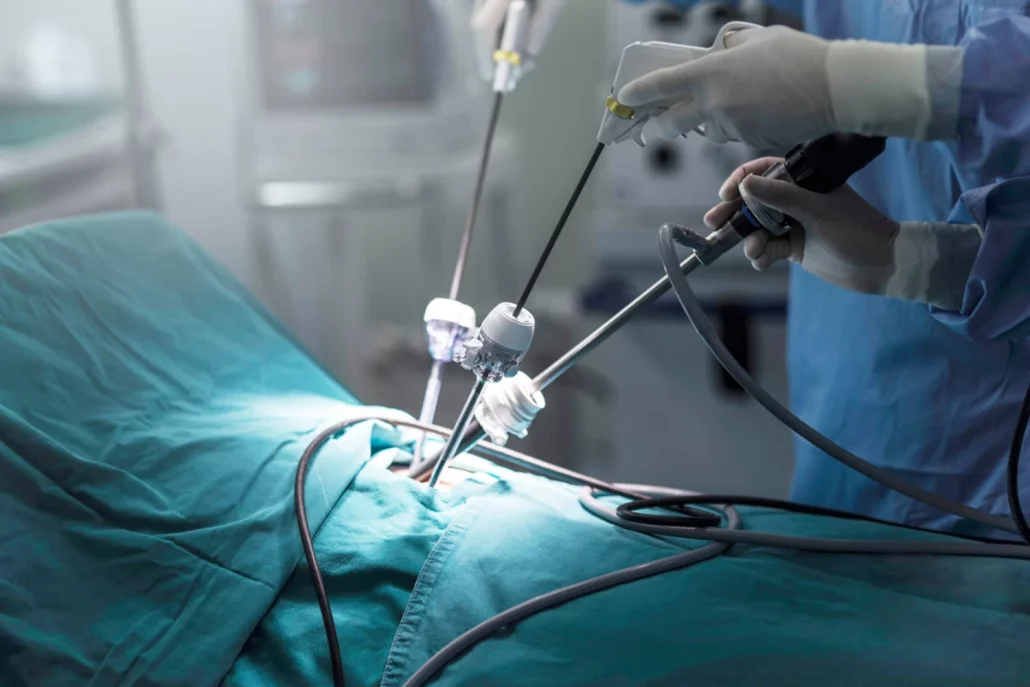
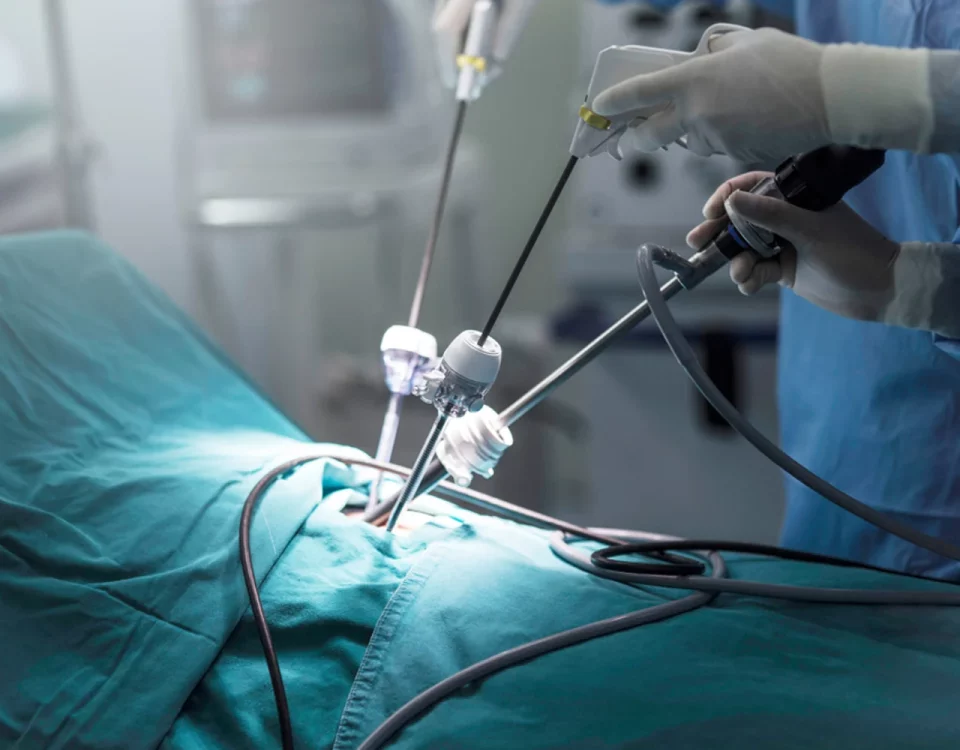
If medication and nutritional therapy are insufficient and symptoms persist, rectocele surgery may be necessary. Rectocele surgery is performed through the rectum, uterus, or abdomen. Patients are advised to perform Kegel exercises before surgery. If Kegel exercises are insufficient, surgery or laser treatment may be applied. It is extremely important for the patient to avoid constipation and pay attention to their diet after surgery for successful recovery.


 Turkish
  English